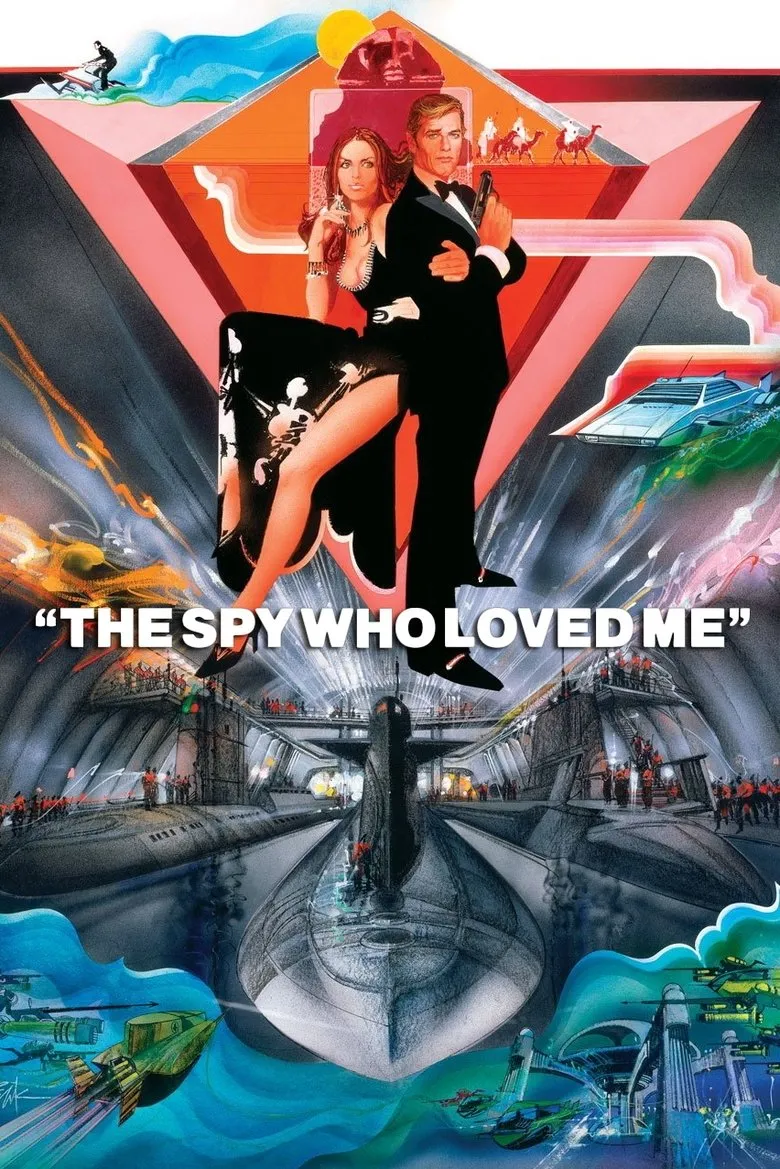
Film no. 10 · 1977 · Moore era
 The Spy Who Loved Me
Vanished nuclear submarines, a killer with steel teeth and a Lotus that dives – Roger Moore's finest hour between Egypt and Sardinia
TMDB rating: 6.8 / 10 · View on TMDB
Plot
Two nuclear submarines vanish without trace, one British, one Soviet. In London M puts 007 on the case; in Moscow General Gogol despatches Major Anya Amasova. Bond has just escaped a squad of Soviet agents in the mountains by launching himself off a cliff edge and drifting down under a parachute patterned like the Union Jack. In the process he shot Amasova's lover – though she does not yet know it.
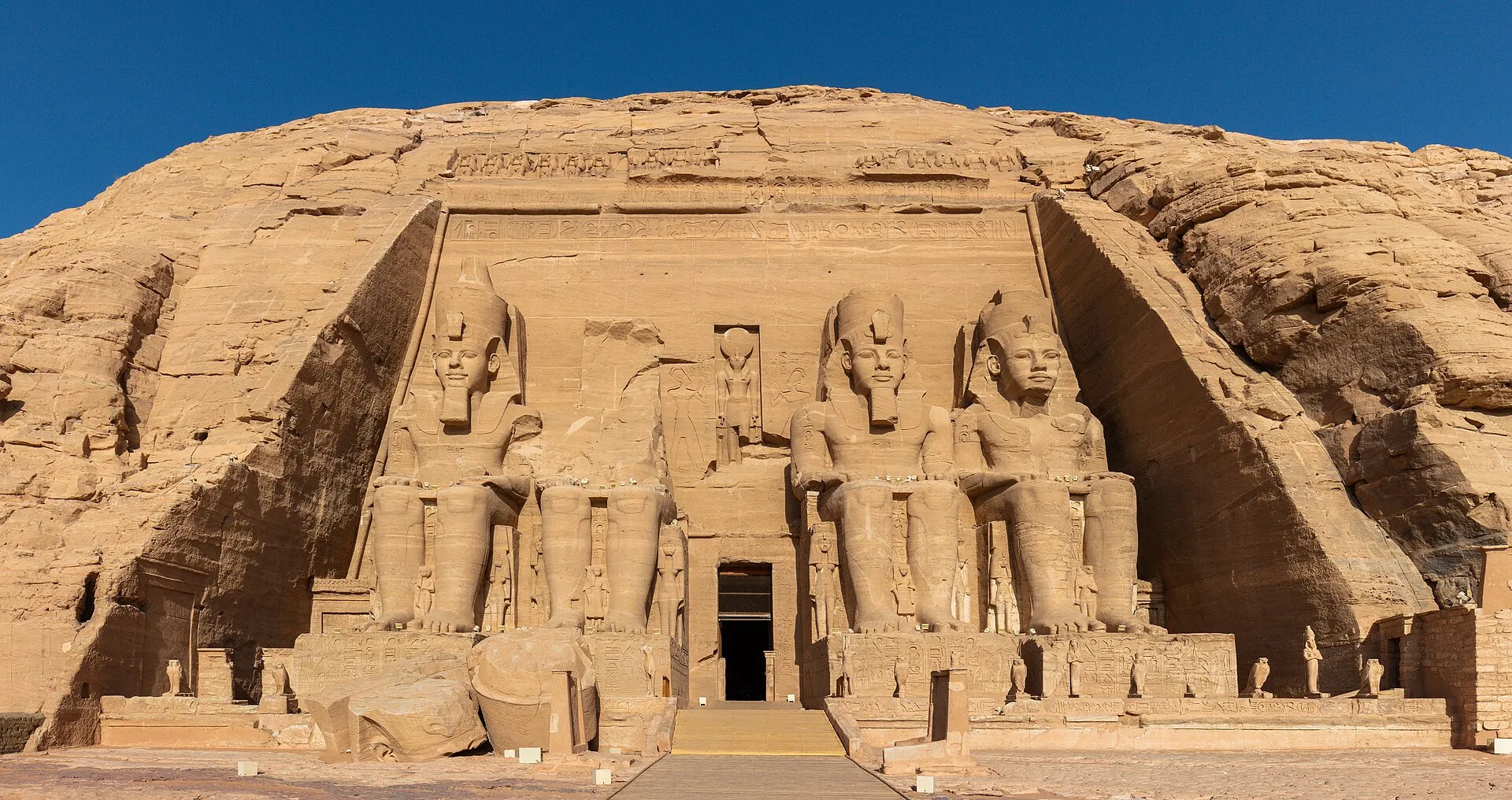
The trail leads to Egypt, where the plans for a submarine tracking system are on offer on the black market. Between the desert camp of an old university friend, the son et lumière in front of the pyramids at Giza and the columns of Karnak, Bond and Amasova chase the same microfilm – and both chase the killer Jaws, whose steel teeth cut through chains as readily as throats. Once London and Moscow have agreed a truce, the two sides meet in a joint headquarters inside the temple at Abu Simbel. The microfilm points to the shipping magnate and marine scientist Karl Stromberg.
From Sardinia the pair visit Stromberg's undersea base, Atlantis. On the way back a motorcycle, a car and a helicopter come after the white Lotus until it shoots off the coast road into the sea and turns into a submarine. What they discover is monstrous: Stromberg's tanker Liparus swallows submarines like a whale, and from them nuclear missiles are to fly at Moscow and New York. The war is meant to wipe out humanity so that Stromberg can begin again beneath the sea.
Facts
- James Bond
- Roger Moore
- Director
- Lewis Gilbert
- Screenplay
- Christopher Wood and Richard Maibaum
- Producers
- Albert R. Broccoli
- Music
- Marvin Hamlisch
- Title song
- „Nobody Does It Better“Carly Simon
- Based on
- Ian Fleming: „The Spy Who Loved Me“1962
- Running time
- 125 minutes
- Budget
- $14 million
- Box office
- $185 millionworldwide (Wikipedia en), of which $46 million in the US and Canada; United Artists' highest-grossing film at the time
- Release
- UK: 8 July 1977US: 3 August 1977Germany: 25 August 1977
Travel route and filming locations
Gold numbers trace Bond's journey through the story, light markers show the real filming locations. Each layer can be hidden separately.
Bond's route · 15 stops
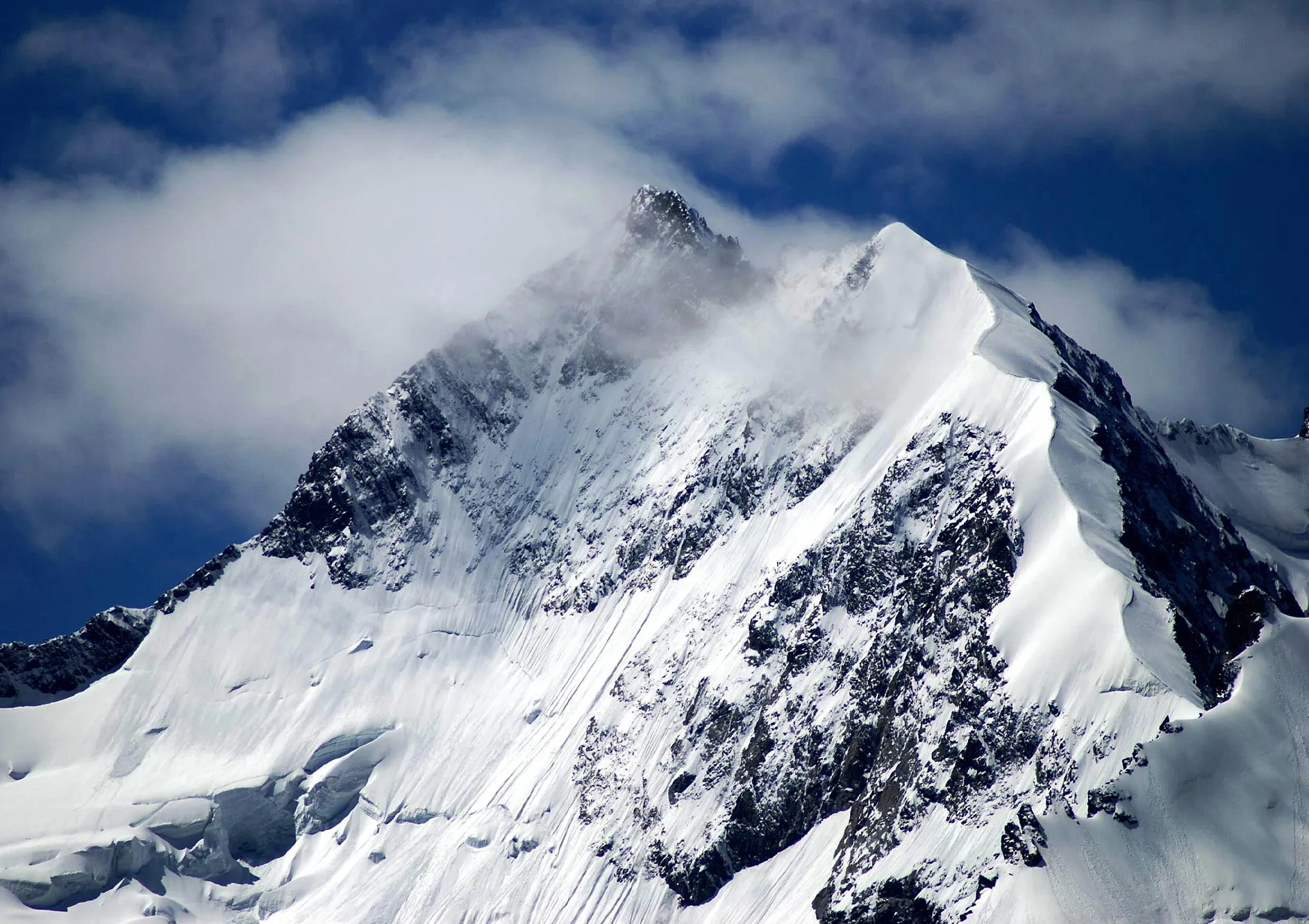
The title card names the invented place "Berngarten"; the coordinates stand in for the Austrian Alps. A radio message calls Bond out of the log cabin, Soviet agents come after him, and he launches himself off a cliff edge into nothing.
Berngarten, Austrian mountains → Moscow · ≈ 2,105 km
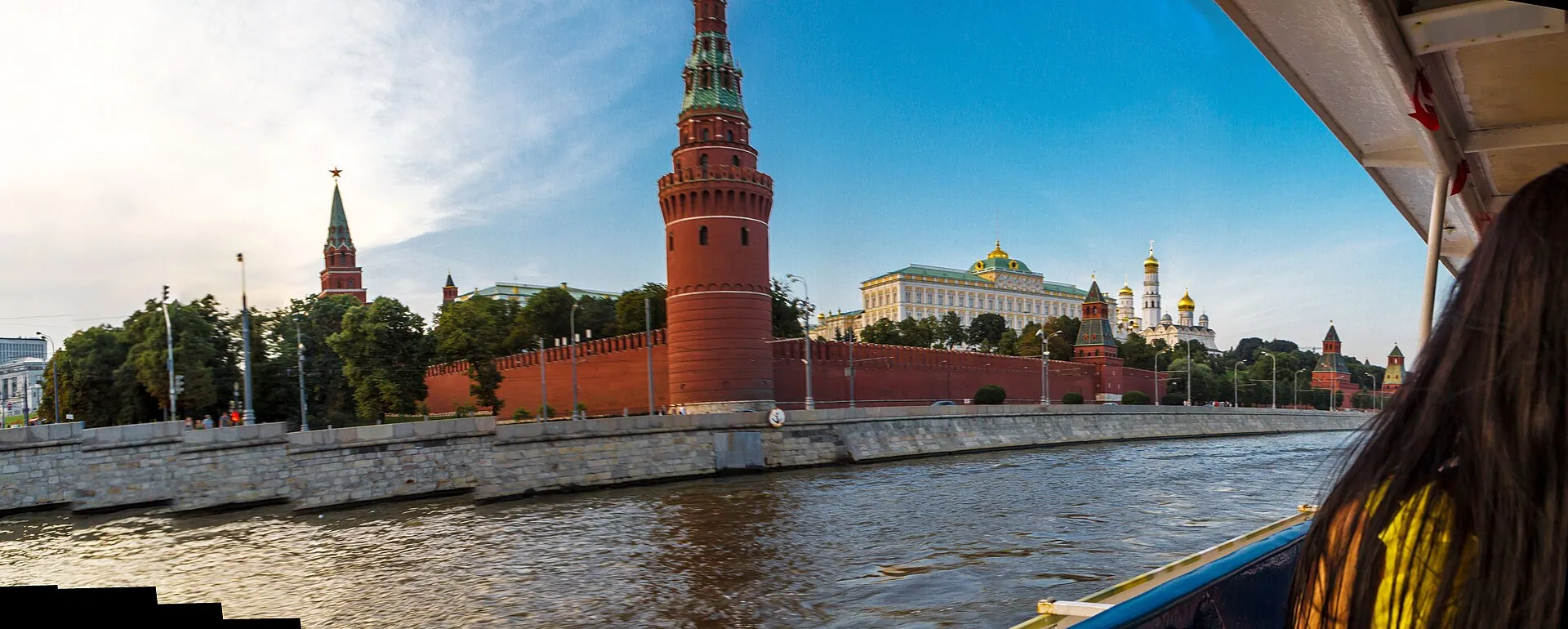
General Gogol has Major Anya Amasova fetched from her bed and puts her on the case of the missing Soviet submarine. Her lover Sergei Barsov is already dead.
Moscow → London · ≈ 2,501 km
At the Ministry of Defence M and Sir Frederick Gray learn of the loss of HMS Ranger. Plans for a tracking system capable of finding submerged submarines have appeared on the market.
London → Faslane, Scotland · ≈ 593 km
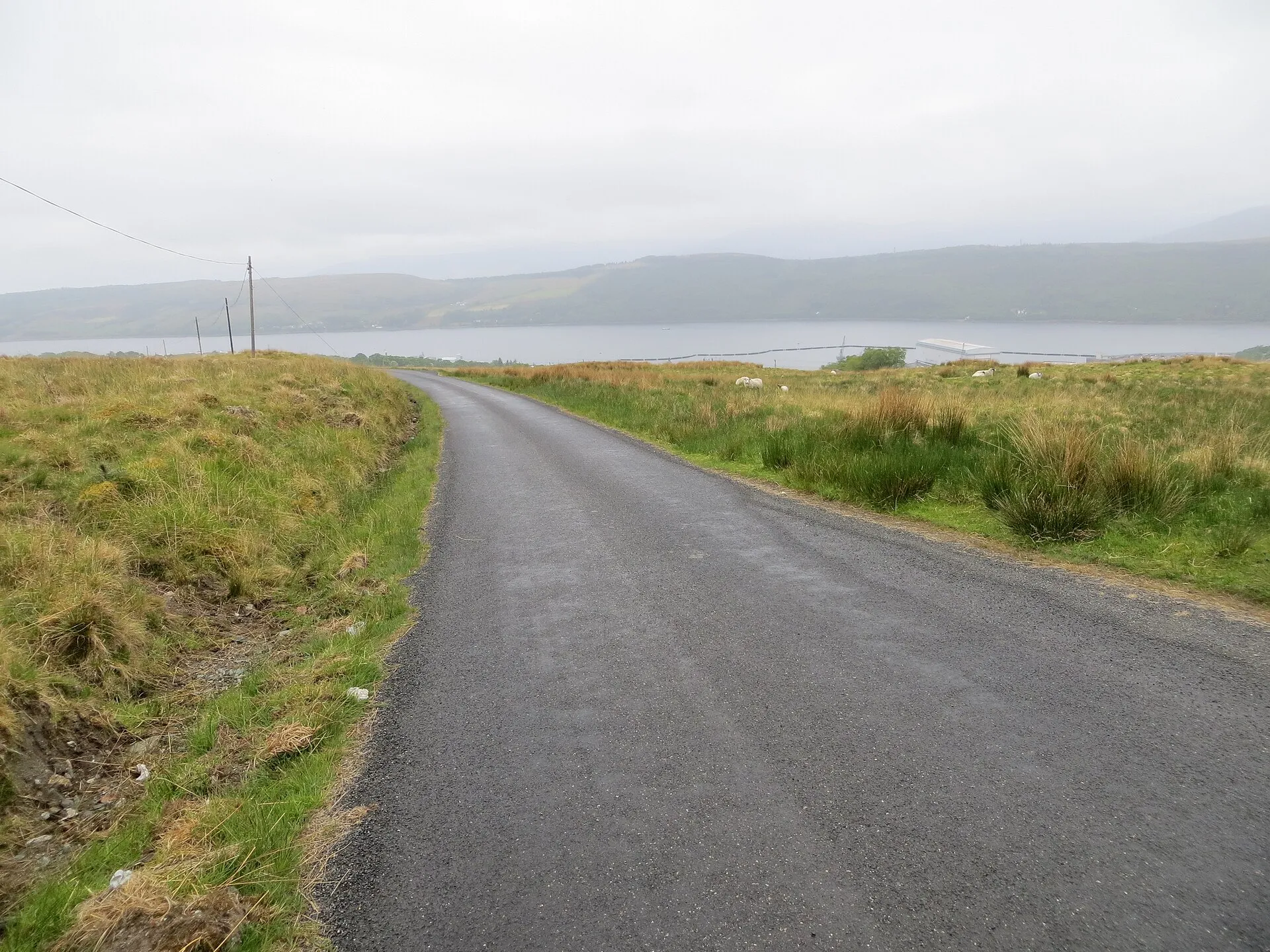
At the submarine base on Gare Loch Captain Benson shows the Minister of Defence what the Royal Navy is missing. From here Bond sets out for Egypt.
Faslane, Scotland → Sheikh Hosein's desert camp outside Cairo · ≈ 4,050 km
Bond visits his old Cambridge contemporary in his tent in the sand. From him he learns the name of the middleman Aziz Fekkesh.
Sheikh Hosein's desert camp outside Cairo → Cairo, Fekkesh's house · ≈ 18 km
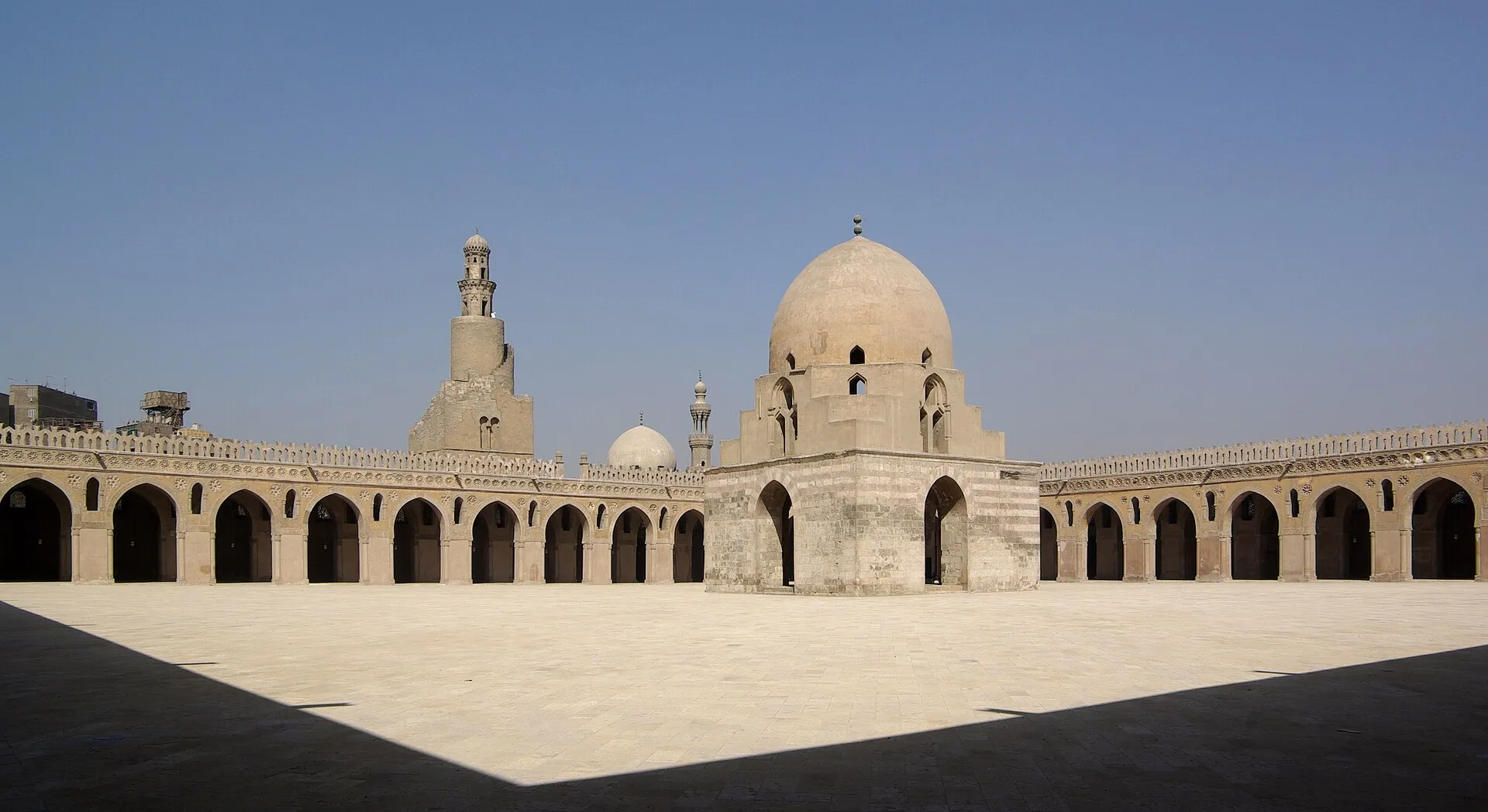
Instead of Fekkesh, Bond finds his companion Felicca – and Stromberg's thug Sandor, who ambushes him on the roof and finally goes over the edge clinging to Bond's tie.
Cairo, Fekkesh's house → Giza, the pyramids · ≈ 12 km
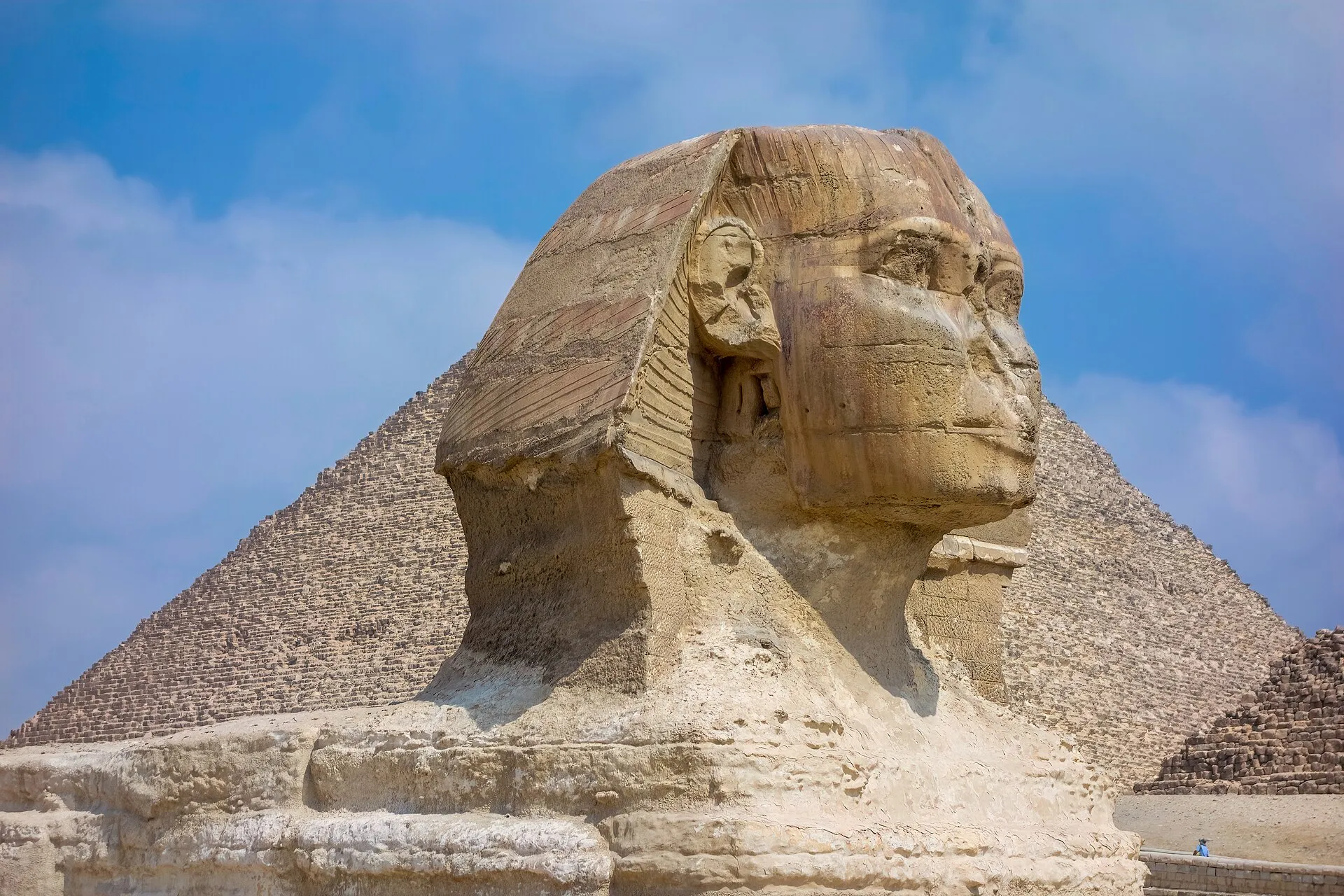
During the son et lumière in front of the Sphinx and the pyramids Jaws breaks Fekkesh's neck. Behind the scenery Bond and Anya Amasova meet for the first time, both on the same trail.
Giza, the pyramids → Karnak near Luxor · ≈ 496 km
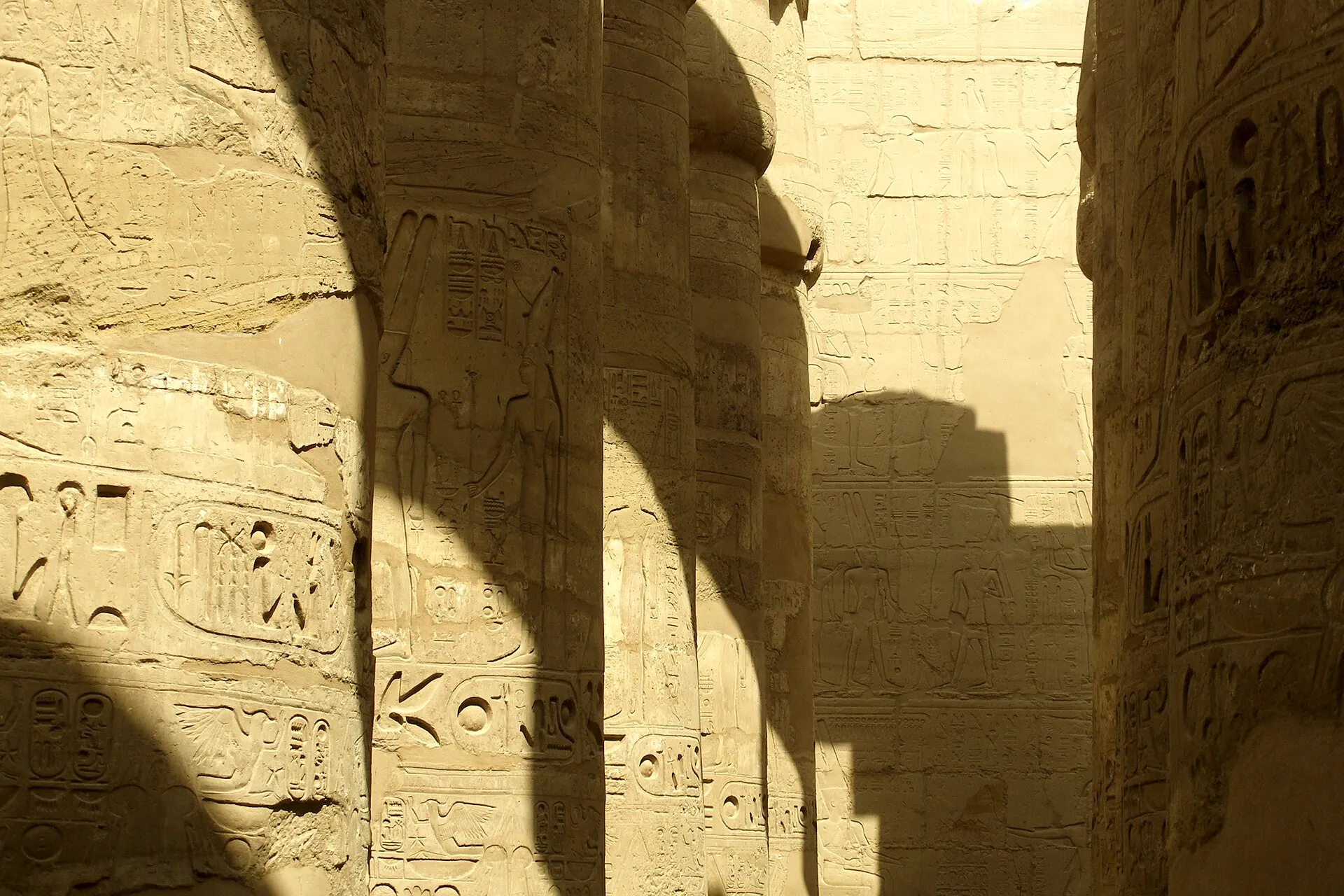
At the Mujaba Club Max Kalba means to sell the microfilm to the highest bidder, but Jaws kills him and takes the case. A fight follows among the temple's colonnades at night; Amasova secures the film and leaves Bond standing.
Karnak near Luxor → The Nile and the desert between Luxor and Abu Simbel · ≈ 183 km
The van gives up in the middle of the desert and the two rivals have to walk on. A felucca carries them down the Nile to the agreed meeting point.
The Nile and the desert between Luxor and Abu Simbel → Abu Simbel · ≈ 234 km
Behind the colossi of Ramesses II, MI6 and the KGB have set up a joint headquarters. M and Gogol order the two agents to work together, Q demonstrates his latest ideas, and the microfilm gives up Stromberg's name.
Abu Simbel → On the night train to Sardinia · ≈ 2,897 km
The film leaves open how the train gets from Egypt to Sardinia. In the sleeping car Jaws attacks the pair; Bond shoves him out of the window with a standard lamp, and rivalry turns to affection.
On the night train to Sardinia → Sardinia, hotel on the Costa Smeralda · ≈ 97 km
Posing as Mr and Mrs Sterling, marine biologist and wife, Bond and Amasova take a room. At the pier Q hands over the white Lotus Esprit.
Sardinia, hotel on the Costa Smeralda → Atlantis off the coast of Sardinia · ≈ 9 km
Stromberg's fictional base on legs in the sea, which can be lowered at the touch of a button. During the supposed biologists' visit Stromberg feeds a disloyal secretary to his sharks and sends Bond and Amasova back ashore with Jaws on their heels.
Atlantis off the coast of Sardinia → Sardinia, coast road and Capriccioli beach · ≈ 8 km
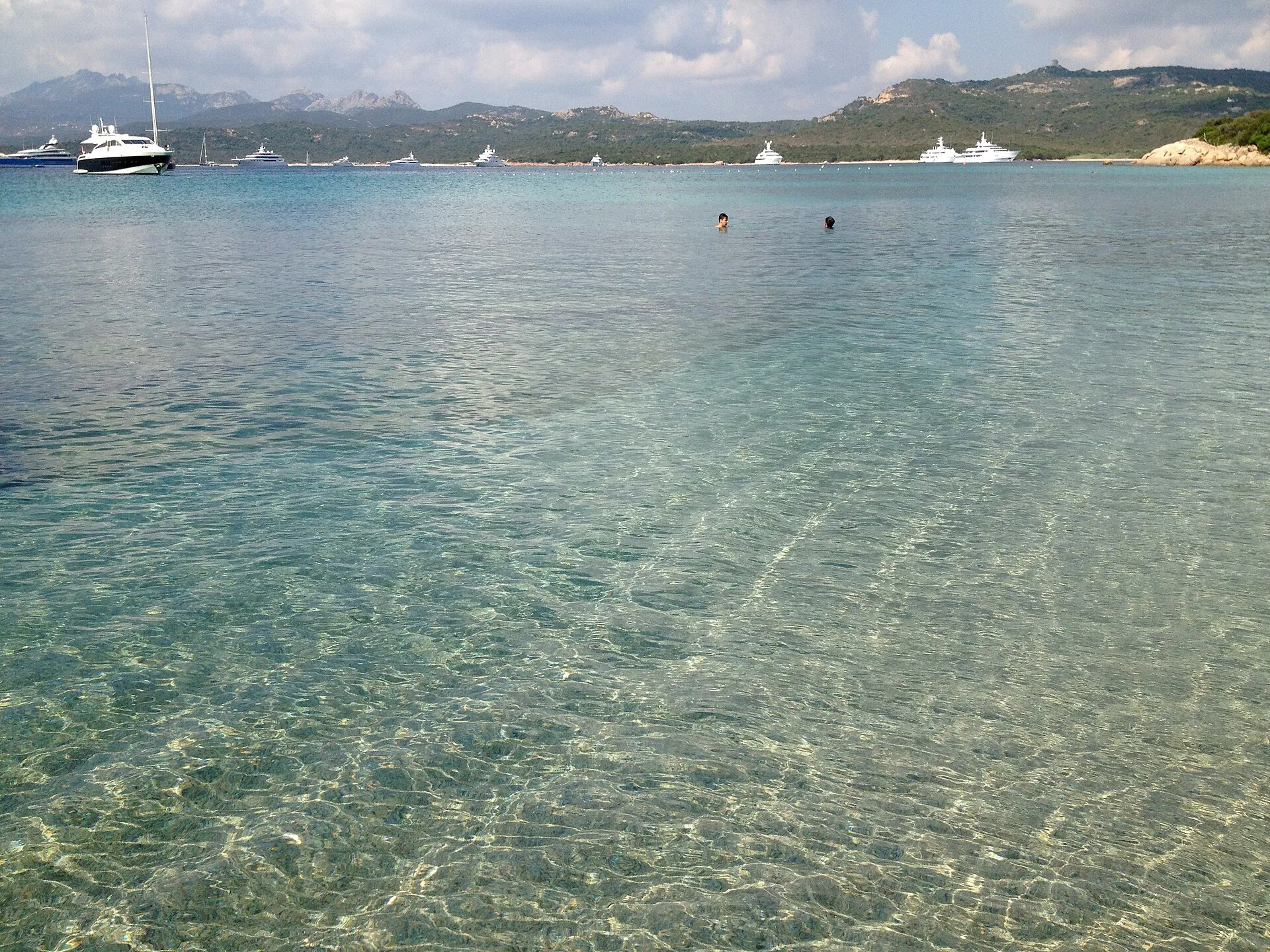
A motorcycle with a rocket sidecar, Jaws's Ford Taunus and Naomi's helicopter chase the Lotus along the hairpins. At the end of the jetty the car shoots into the sea, turns into a submarine, photographs Atlantis from below and rolls back onto the beach in front of astonished bathers.
Sardinia, coast road and Capriccioli beach → Aboard USS Wayne and inside the Liparus · ≈ 356 km
Bond and Amasova put to sea on the American submarine, which is promptly swallowed by the tanker Liparus – a floating dock with three bays and the hijacked boats inside. Bond frees the crews, and in the battle he tricks the commandeered submarines into firing their missiles at each other.
Aboard USS Wayne and inside the Liparus → Atlantis, the finale · ≈ 348 km
Bond rides a Wetbike back to the base to fetch Amasova before USS Wayne torpedoes it. Stromberg misses his shot, Bond does not; Jaws ends up in the shark tank and bites his way out.
Atlantis, the finale → The open sea, in the escape pod · ≈ 95 km
Amasova points the pistol at Bond, thinks better of it and puts it down. When the Royal Navy picks up the pod, M, Gogol and the Minister of Defence see through the porthole what has become of the mission.
Filming locations · 18
doubles for Berngarten, Austria (Austria)
The leap off the cliff with the Union Jack parachute; in July 1976 Rick Sylvester skied off the edge some 900 metres above the ground, filmed by Willy Bogner
doubles for Berngarten, Austria (Austria)
The run through the crevasses for the pre-title sequence; Willy Bogner shot it on skis with a hand-held camera at temperatures down to minus 35 degrees
doubles for Berngarten, Austria (Austria)
The bulk of the ski chase, shot by the second unit in January 1977; two minutes of film took three weeks
The submarine base where Captain Benson receives the Minister of Defence; permission to film from the Royal Navy saved the production millions
The son et lumière at which Jaws kills Fekkesh. The Sphinx was shot on location; the pyramids could not be lit and were replaced by miniatures
Fekkesh's house with its courtyard and roof terrace, where Bond fights Sandor
The desert dunes with Sheikh Hosein's tented camp
The night-time pursuit of Jaws through the Great Hypostyle Hall and the ruins around the club
The joint MI6 and KGB headquarters behind the colossal statues of Ramesses II, complete with Q's workshop
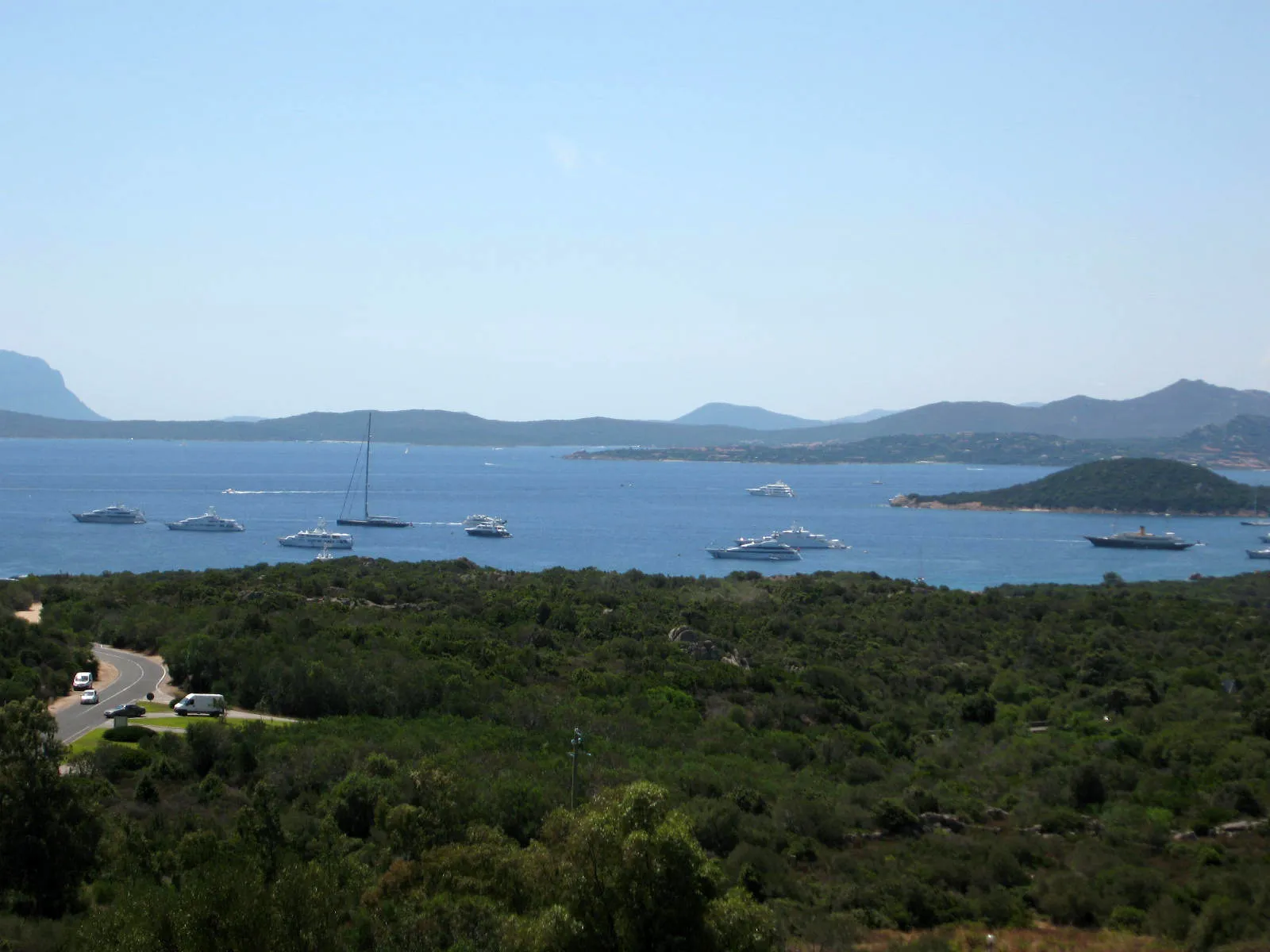
The Sterlings' hotel; the piano bar served as Bond's room, with the yacht-filled bay in front of it
The jetty from which the Lotus shoots into the water and the beach where it re-emerges; assistant director Victor Tourjansky makes his cameo here as the man with the glass of wine
The winding country roads among the granite rocks where the seven-minute chase with motorcycle, Ford Taunus and helicopter was shot
The pier where Q delivers the Lotus Esprit
The underwater sequences with the diving Lotus, the model shots of the tanker Liparus and the shark tank, for which a live shark was put into a saltwater pool
The closing scene in which the escape pod is picked up by a British warship
Exterior shots of the tanker on the open sea, filmed after the work at Faslane
The sources list Okinawa as a location without naming the scenes; naval footage for the sequences around the American submarine USS Wayne is the likely explanation
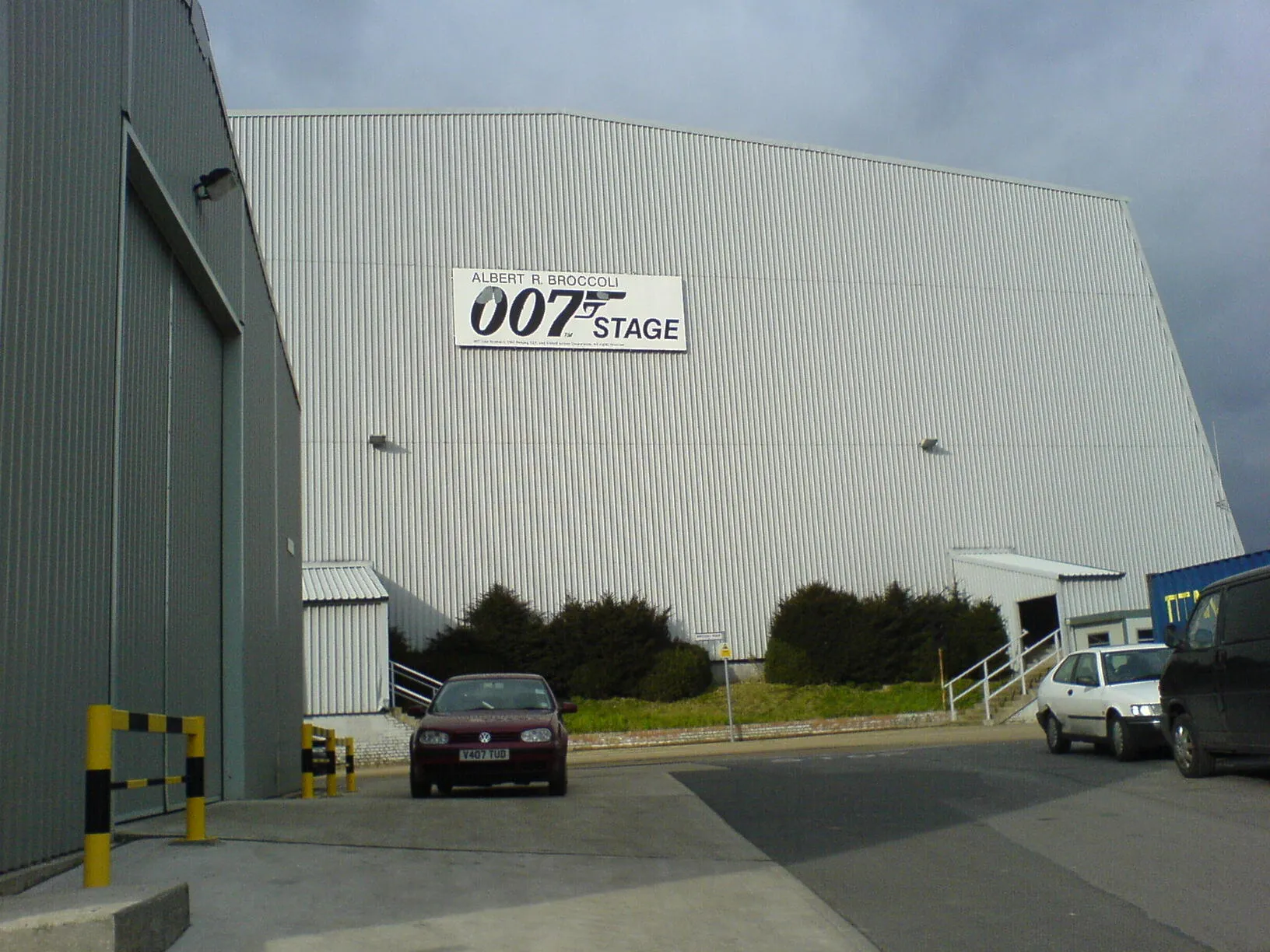
The interior of the tanker Liparus with three submarines on the purpose-built 007 Stage, plus Stromberg's Atlantis, Gogol's office and MI6 headquarters
Characters and cast
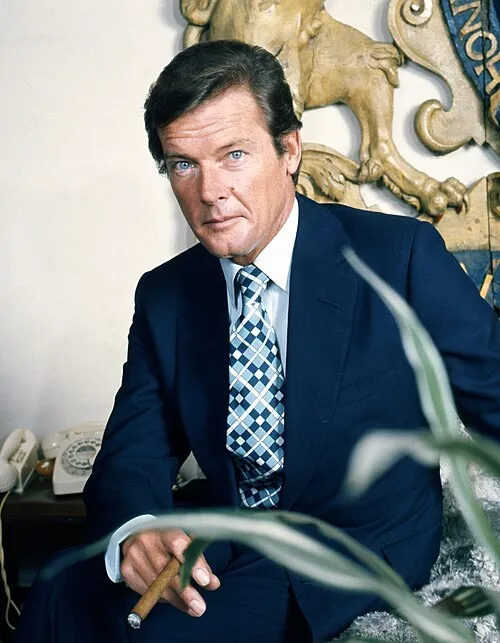
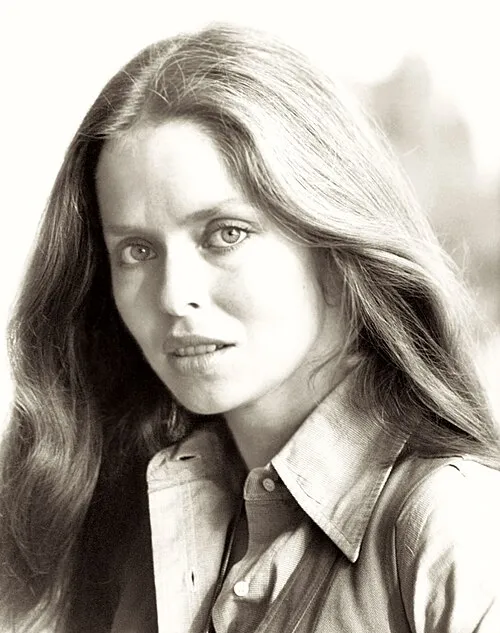
Henchmen
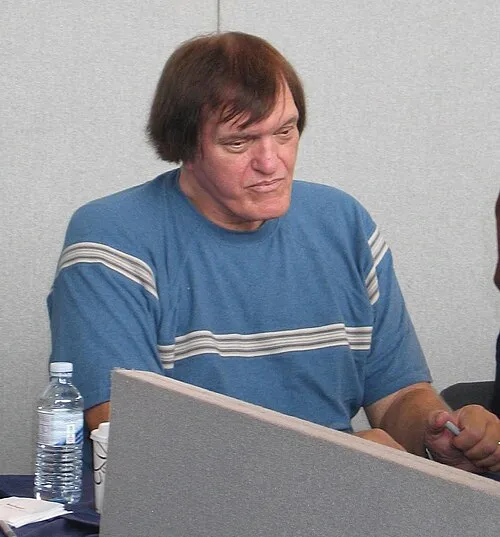 BeißerRichard KielThe 2.18-metre killer with the steel teeth proved so popular that he became the only henchman in the series to return in the following film, Moonraker; Will Sampson, David Prowse and Jack O'Halloran were considered before Kiel
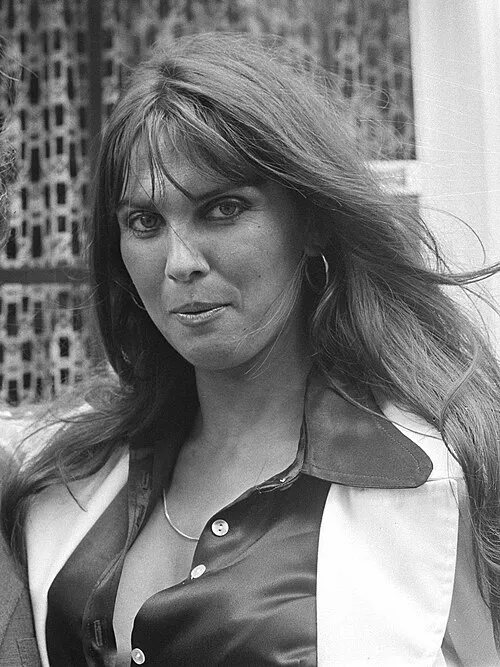 NaomiCaroline MunroStromberg's pilot, who hunts the Lotus from a helicopter; Munro got the part off the back of an advertising campaign
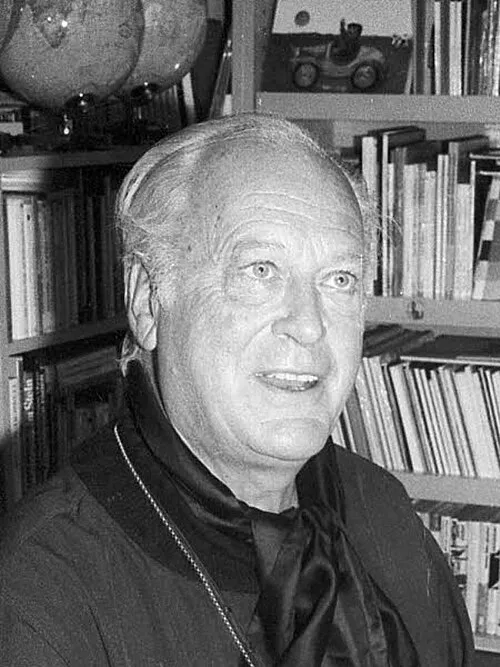
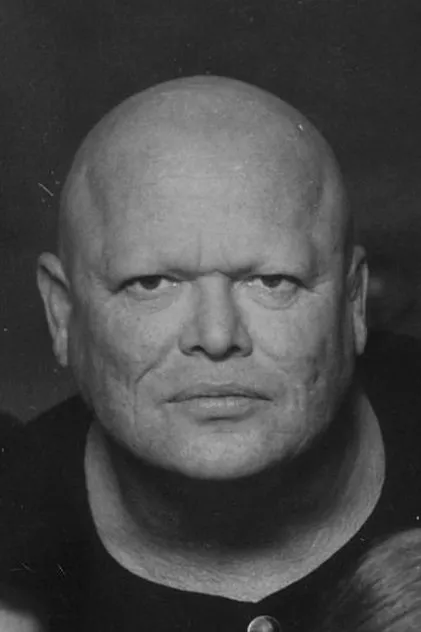 SandorMilton ReidStromberg's thug, whom Bond drops off a Cairo rooftop after pulling his tie out of his grip
Allies
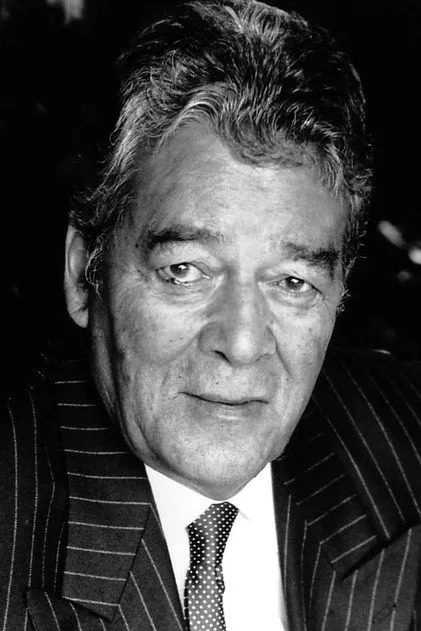
MI6
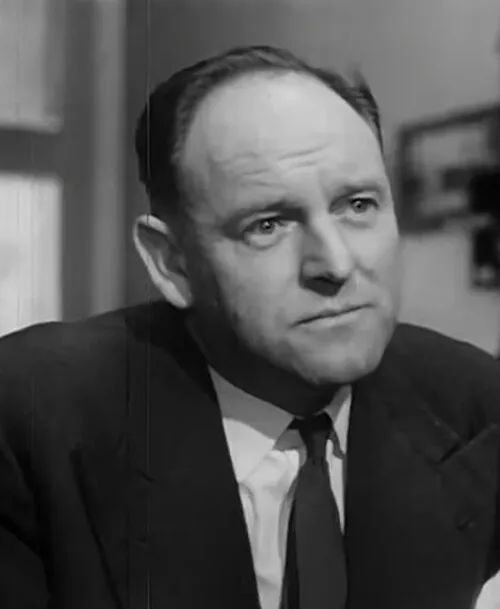 MBernard LeeHis tenth appearance as head of the Secret Service; in the film he runs the joint headquarters with the KGB inside the temple at Abu Simbel
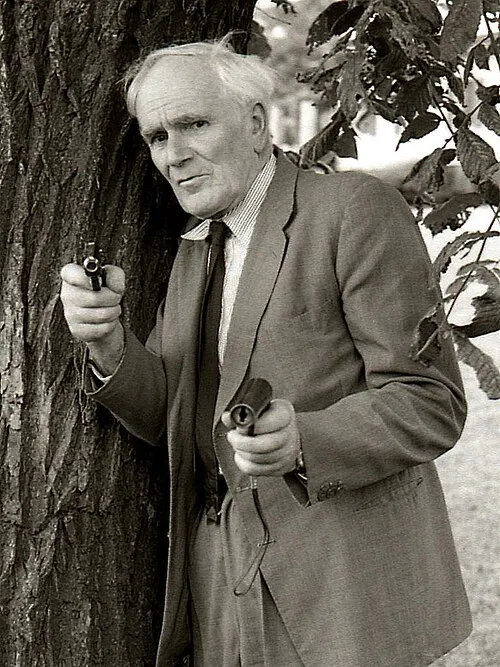 QDesmond LlewelynAmasova addresses him as Major Boothroyd, the name of the armourer in Dr. No. Here his workshop sits in the middle of the Egyptian ruins
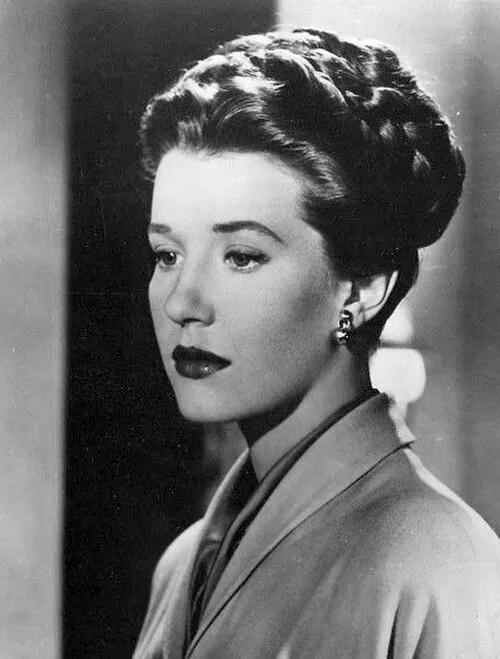 Miss MoneypennyLois Maxwell
Others
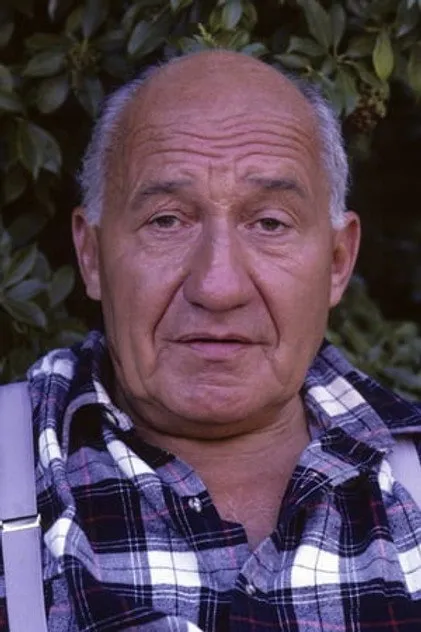 General GogolWalter GotellFirst appearance of the KGB chief, who returned in five more films; Gotell had played the SPECTRE trainer Morzeny in From Russia with Love in 1963
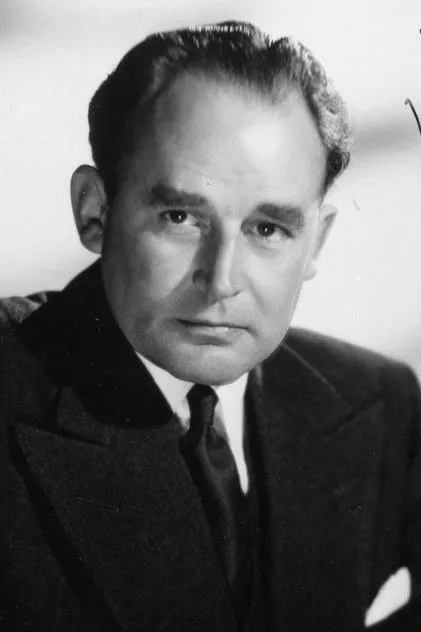 Verteidigungsminister Sir Frederick GrayGeoffrey KeenThe Minister of Defence became a fixture too: Keen played him in six films, up to The Living Daylights
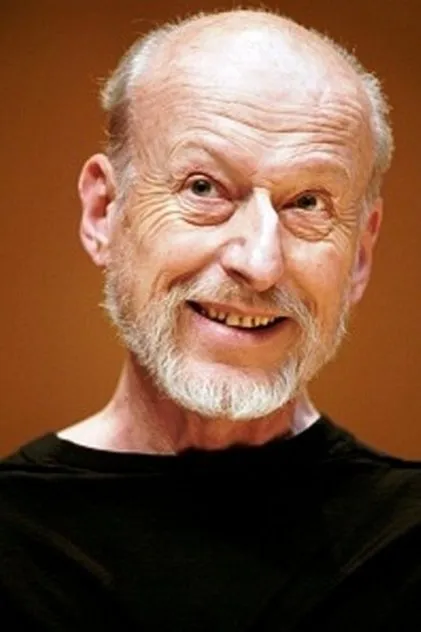 Max KalbaVernon DobtcheffNightclub owner and black marketeer who tries to auction the microfilm to the highest bidder and pays with his life
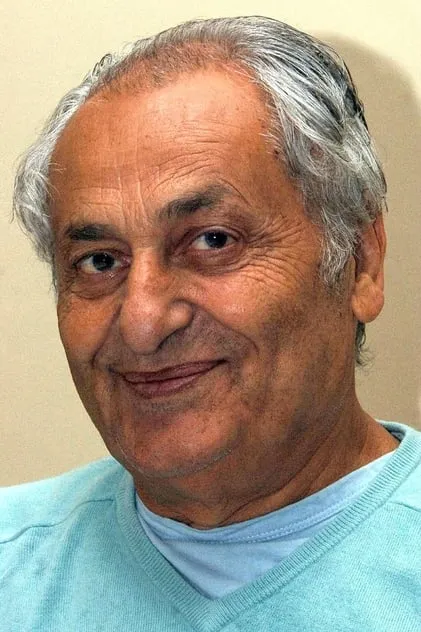 Aziz FekkeschNadim SawalhaMiddleman in the trade with the tracking plans; Jaws kills him during the son et lumière at the pyramids
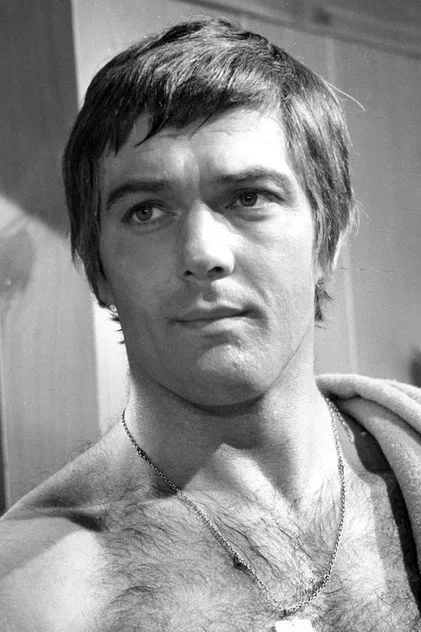 Sergei BarsowMichael BillingtonSoviet agent and Amasova's lover, shot by Bond in the pre-title sequence; Billington had screen-tested for the role of Bond more than once
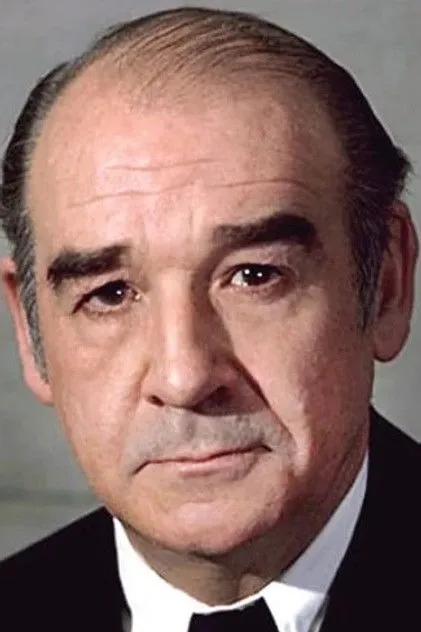 Admiral HargreavesRobert BrownAfter Bernard Lee's death, Brown himself took over the role of M from Octopussy onwards
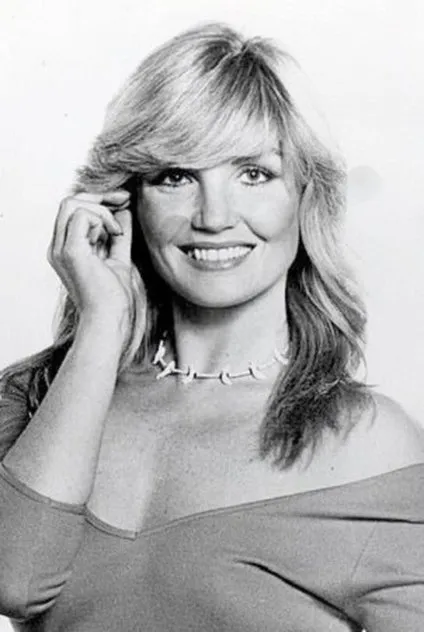 Mädchen in der BerghütteSue VannerSoviet agent meant to keep Bond in the log cabin, whose radio call sets the ski chase in motion
Vehicles & Gadgets
Vehicles
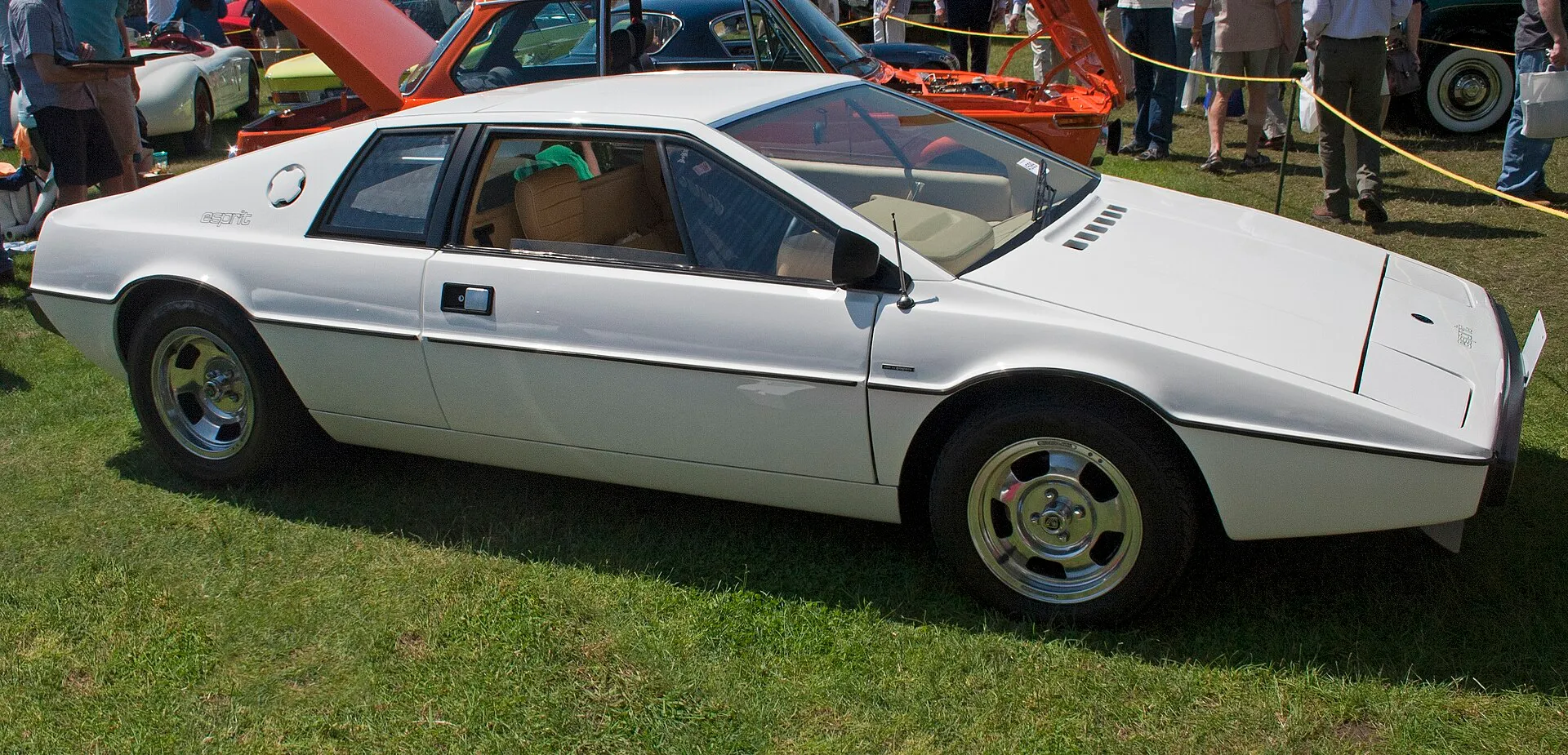
The white Lotus Esprit S1 became, as the diveable "Wet Nellie", the most famous Bond car after the Aston Martin DB5Photo: Mr.choppers · CC BY-SA 3.0 · Wikimedia Commons Lotus Esprit S1
Car1976Q delivers the white wedge at the pier in Palau; this is the car that shoots off the coast road into the sea and carries on as a submarine
The Esprit had been on the market for barely three months when shooting began. Lotus supplied two road-legal cars for the driving scenes and six further bodyshells for the transformation, one of them sealed watertight for the underwater work. The first footage from the mountain roads of the Gallura looked flat; when works test driver Roger Becker ferried the car between two locations, he was handed the stunt driving for the rest of the island shoot. The wedge shape is Giorgetto Giugiaro's, and under the glassfibre skin sits a steel backbone chassis with the four-cylinder mounted transversely behind the seats. Only 718 S1s were built between June 1976 and 1978 – the film made the car a household name overnight.
- Driven by
- James Bond, with Anya Amasova beside him in Sardinia
- Specs
- 2.0 L four-cylinder (Lotus 907, 1,973 cc), 160 bhp, 133 mph, under 1,000 kg
Sources: Bond Lifestyle: Lotus Esprit · Wikipedia (en): Lotus Esprit · Wikipedia (en): The Spy Who Loved Me (film)
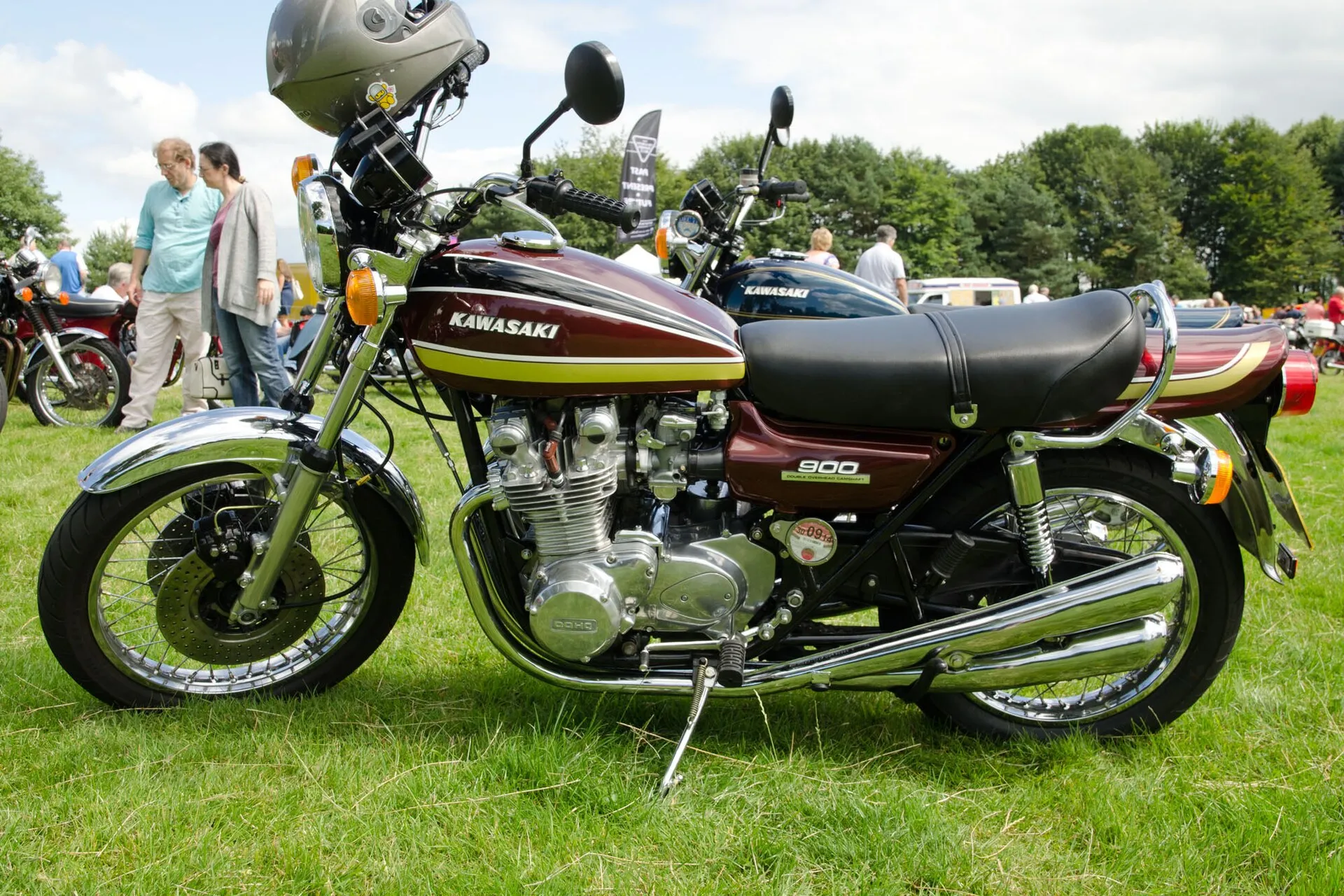
A production example of the 903 cc Kawasaki, sold as the Z 900 from 1976 – in the film it carries the detachable rocket sidecarPhoto: SG2012 · CC BY 2.0 · Wikimedia Commons Kawasaki Z 900 A4 mit Raketen-Seitenwagen
Other1976At the push of a button the sidecar detaches and flies off as a missile
On the coast road above the Costa Smeralda one of Stromberg's men latches on to the Lotus. A solenoid releases the sidecar, which shoots off as a missile – it misses the Lotus, destroys a van loaded with mattresses, and the blast throws the rider over the cliff into the sea. The sidecar was a vehicle in its own right: two ten-inch wheels, a 185 cc Suzuki engine and a stuntman lying flat inside, steering with a small solid rubber wheel. It never went faster than about twenty miles an hour; the speed came from undercranking in the cut. The Z 900 continued in 1976 the line of the Z1, with which Kawasaki had launched the first mass-produced Japanese four-cylinder with twin overhead camshafts in 1972.
- Driven by
- One of Stromberg's henchmen
- Specs
- 903 cc DOHC four-cylinder, 82 bhp at 8,500 rpm; quoted top speeds range from 120 to 132 mph
Sources: IMCDb: 1976 Kawasaki Z 900 A4 in The Spy Who Loved Me · Wikipedia (en): Kawasaki Z1 · Motorcycle Classics: Son of Z1 – The 1976 Kawasaki KZ900 · Wikipedia (en): The Spy Who Loved Me (film)
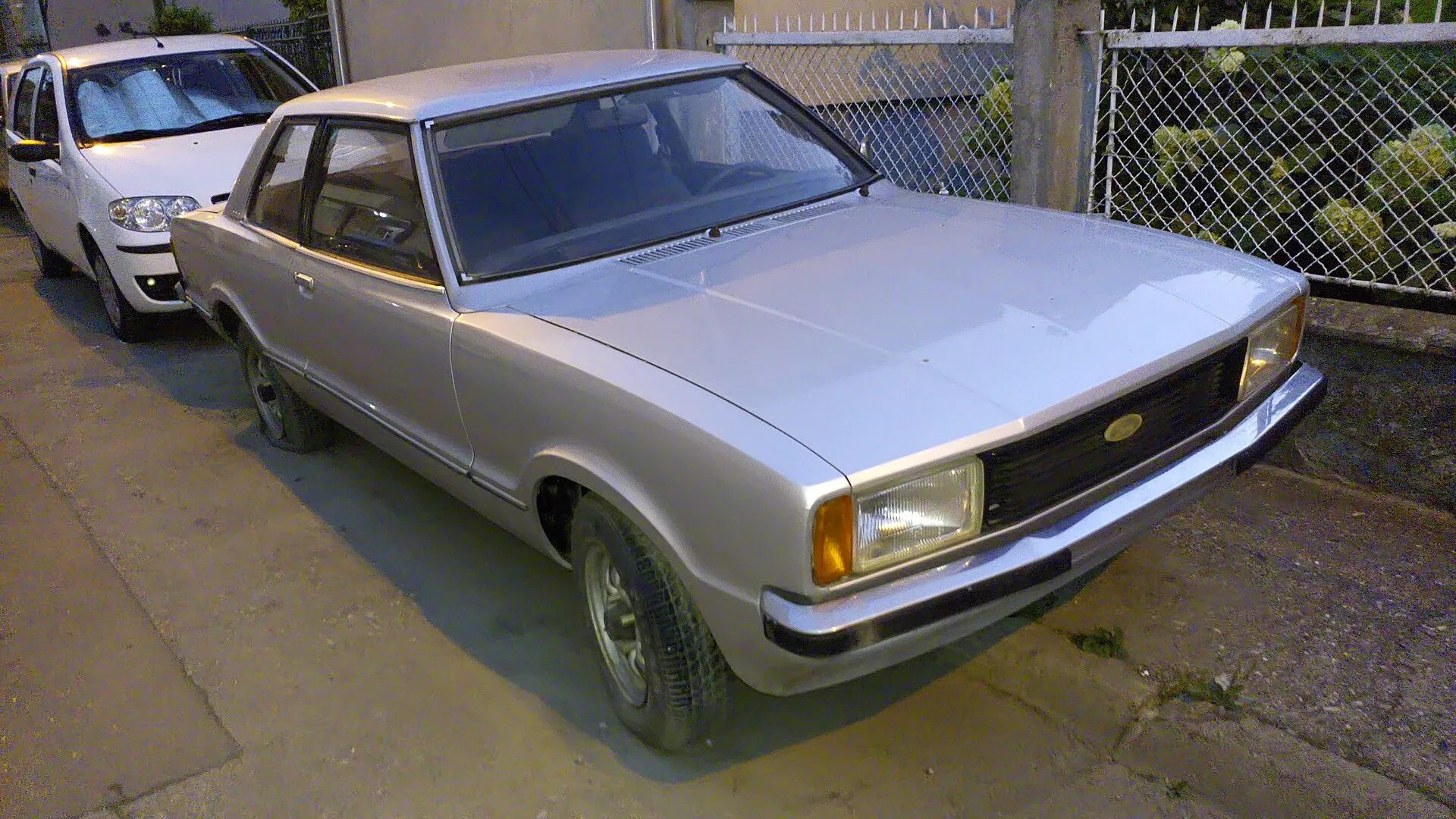
A production Taunus '76; in the film a black example with Jaws aboard chases the LotusPhoto: KGC626 · CC BY-SA 4.0 · Wikimedia Commons Ford Taunus Ghia (TC2)
Car1976The black car with four occupants, whose windscreen the Lotus sprays with cement before it goes over the cliff into a hut
Jaws sits in the back of the black Taunus, the driver in front and two gunmen firing out of the windows. From nozzles behind its number plate the Lotus sprays liquid cement across the windscreen; blinded, the car mounts the kerb, plunges down the cliff into a hut and goes up in flames – only Jaws climbs out of the wreck. The Taunus '76 was the second iteration of the TC range, built from January 1976 and largely identical to the British Cortina Mk IV. The coupé of the first series was dropped; what remained were the two- and four-door saloons and the estate. Ghia was now the top trim level, replacing the earlier GXL.
- Driven by
- One of Stromberg's drivers, with Jaws and two gunmen aboard
- Specs
- Range from 1.3 to 2.3 litres, 55 to 108 bhp, up to 107 mph; top engine the 2.3 L V6 with 108 bhp
Sources: IMCDb: 1976 Ford Taunus Ghia [TC2] in The Spy Who Loved Me · Wikipedia (de): Ford Taunus TC · automobile-catalog: 1976 Ford Taunus 2.3 V6 Ghia
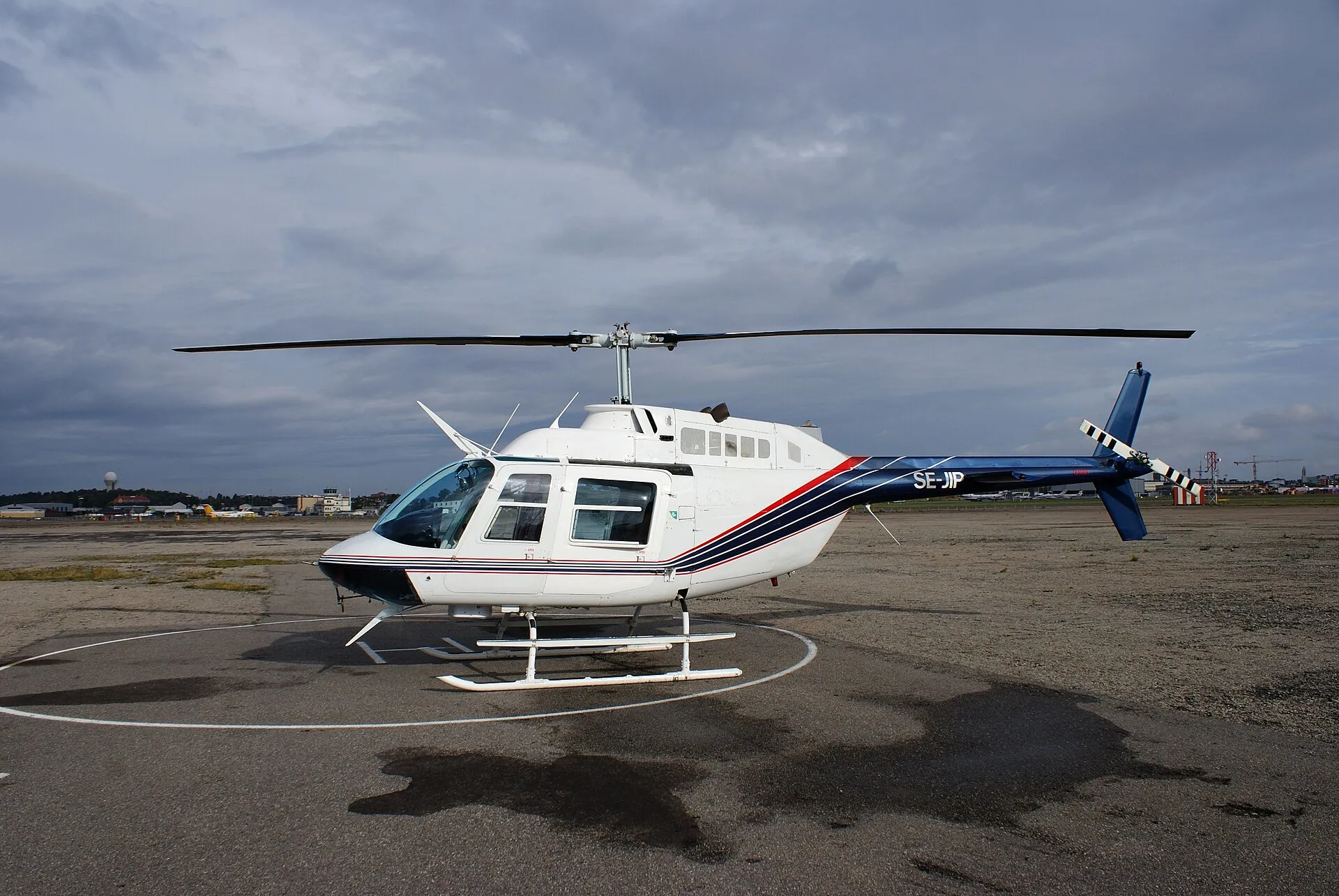
A production Bell 206 JetRanger, the type Naomi flies over the Sardinian coast road in the filmPhoto: Jan Ainali · CC BY-SA 3.0 · Wikimedia Commons Bell 206 JetRanger
AircraftStromberg's helicopter, from which Naomi fires machine guns at the Lotus – until a missile from the diving car finds it
Naomi collects Bond and Amasova, posing as a couple of marine scientists, from the pier and flies them out to Atlantis. The same machine reappears above the coast road, now with machine guns on the skid gear, and drives the Lotus off the tarmac into the sea. It is still circling the spot when a missile rises from the submerged car and pulls the helicopter into the water. Built from 1966 onwards, the Bell 206 JetRanger became by far the most widespread civil turbine helicopter with well over seven thousand built: five seats, a single turboshaft and a two-bladed rotor system that made it cheap to run.
- Driven by
- Naomi
- Specs
- Allison 250-C20 turboshaft, 400 shp, 140 mph, five seats
Sources: Bond Lifestyle: Bell 206 JetRanger · Wikipedia (en): Bell 206
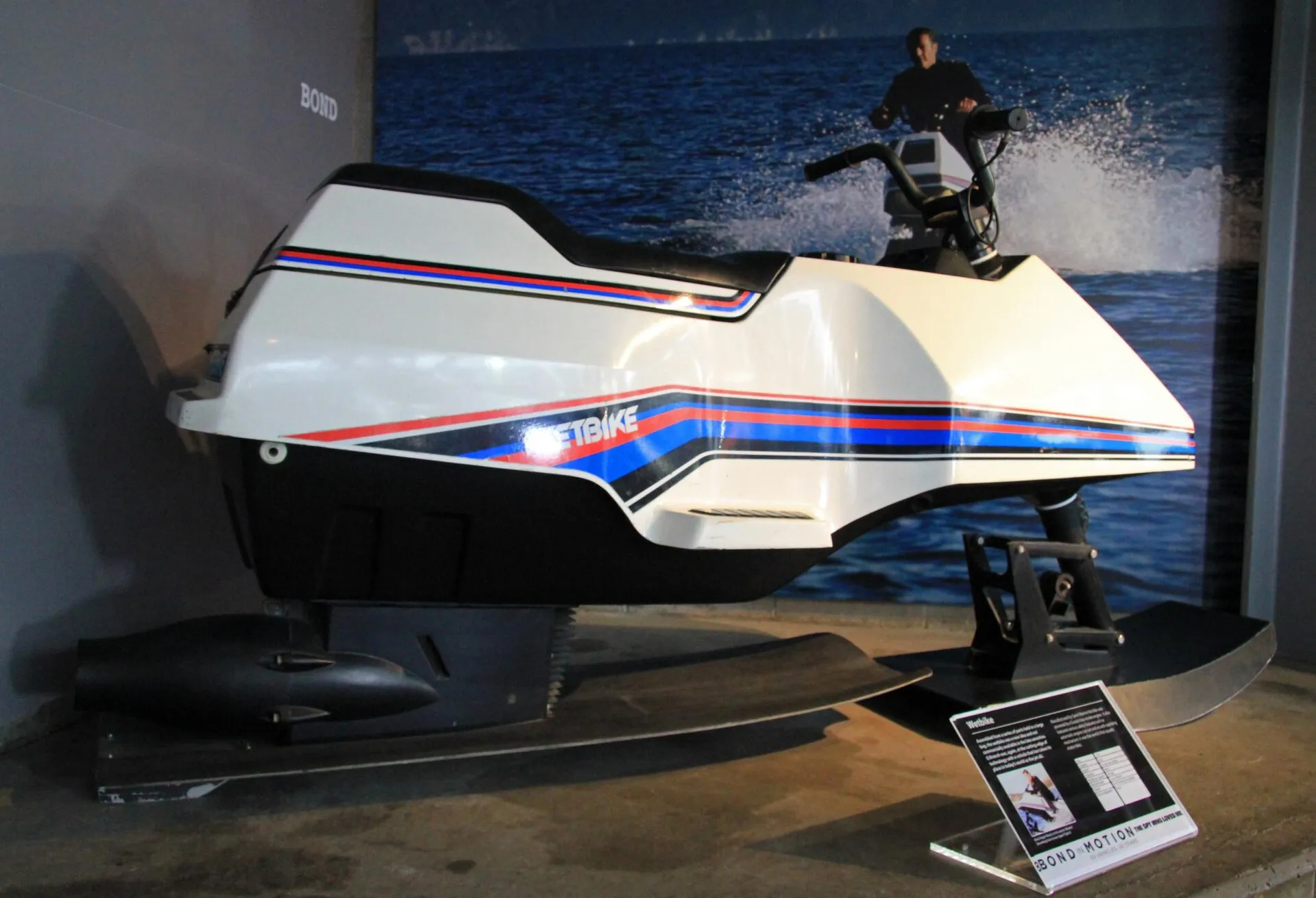
The Wetbike from the film in the "Bond in Motion" exhibition at the National Motor Museum in BeaulieuPhoto: Karen Roe from Bury St Edmunds, Suffolk, UK · CC BY 2.0 · Wikimedia Commons Spirit Marine Wetbike
Boat1977The two-ski watercraft on which Bond approaches Stromberg's Atlantis for the finale; the film made it famous worldwide
For the finale the USS Wayne puts out a craft that looks like a motorcycle on two skis; on it Bond rides back across the open sea to Atlantis to fetch Amasova before the submarine torpedoes the place. The Wetbike was designed by Nelson Tyler and built by Spirit Marine, a subsidiary of Arctic Enterprises. At the time of filming it was a pre-production example – it only went on sale in 1978. At rest the hull floats; under way it rises onto the two skis, driven by a pump jet and steered by the forward ski. The Wetbike stayed in production until 1992, when easier-to-handle personal watercraft such as the Yamaha WaveRunner displaced the design.
- Driven by
- James Bond
- Specs
- Suzuki two-stroke with 50 to 60 hp, pump-jet drive, twin skis
Sources: Wikipedia (en): Wetbike · Wikipedia (en): The Spy Who Loved Me (film)
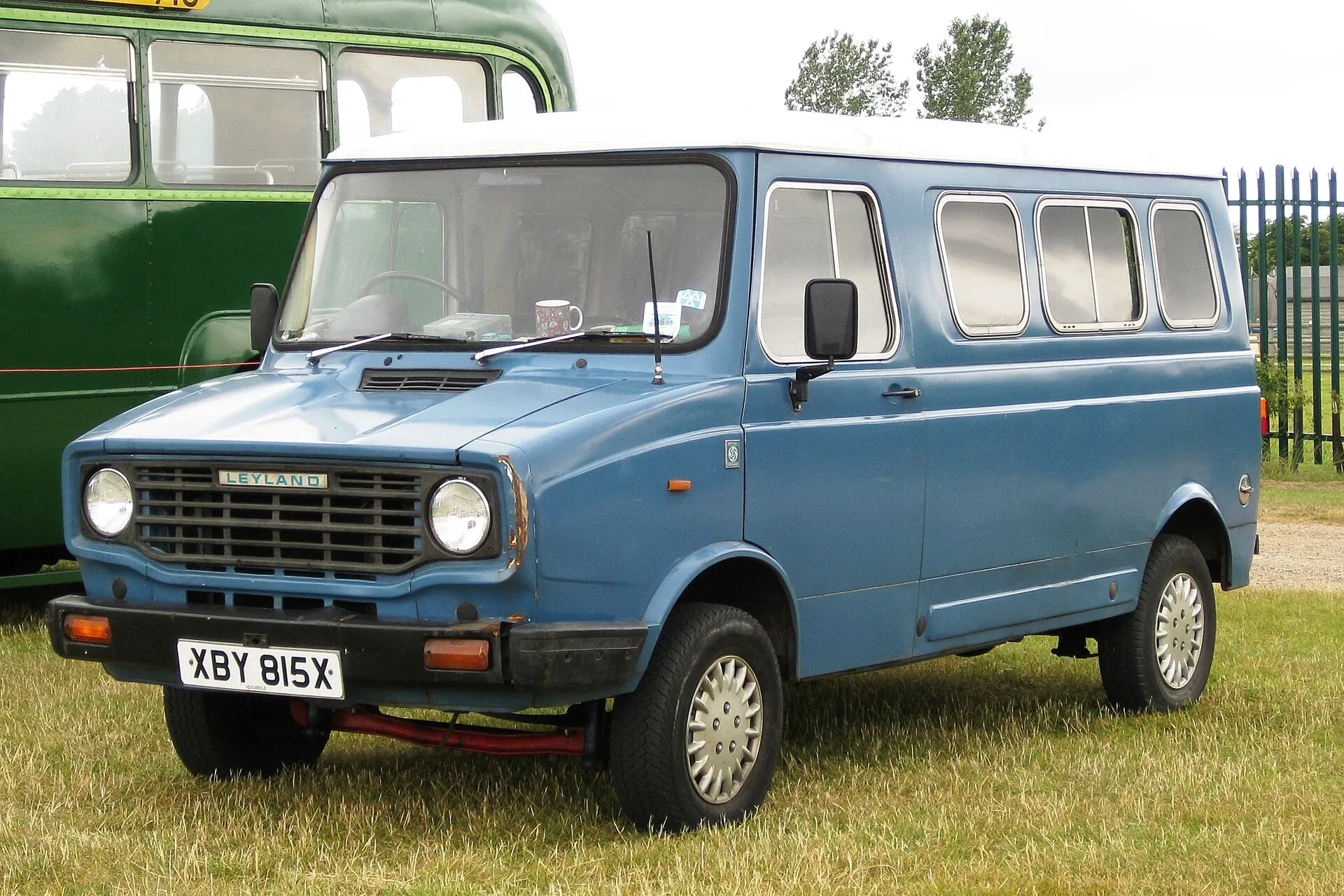
A production Leyland Sherpa – in the film the grey van that Jaws takes apart in the desertPhoto: Charles01 · CC BY-SA 3.0 · Wikimedia Commons Leyland Sherpa
Car1975The grey van lettered as a telephone service, with a listening post in its load bay
Disguised as a telephone service vehicle, the Sherpa stands outside the club at Karnak while Jaws, in the load bay, listens in on the bidding for the microfilm. After the fight among the columns Bond and Amasova take the van and are left stranded with it in the middle of the desert; there Jaws catches up and takes the bodywork apart with his bare hands, panel by panel, until little more than the chassis is left. British Leyland had launched the Sherpa in 1974 as the successor to the J4. It was narrow enough for tight city streets, which is why Royal Mail and British Telecom preferred it to the Ford Transit for years; up front sat the B-series four-cylinder at first, replaced by the O-series in 1978.
- Driven by
- Jaws, then Bond and Amasova
- Specs
- 1.6 or 1.8 L B-series four-cylinder, from 1978 the 1.7 L O-series with 61 bhp; load space about 5.4 m³
Sources: The Autopian: This Bond Movie Has The Only Scene In All Of Cinema Where A Dude Fights A Van · Wikipedia (en): Leyland Sherpa · motor-car.net: Sherpa van 1974–82
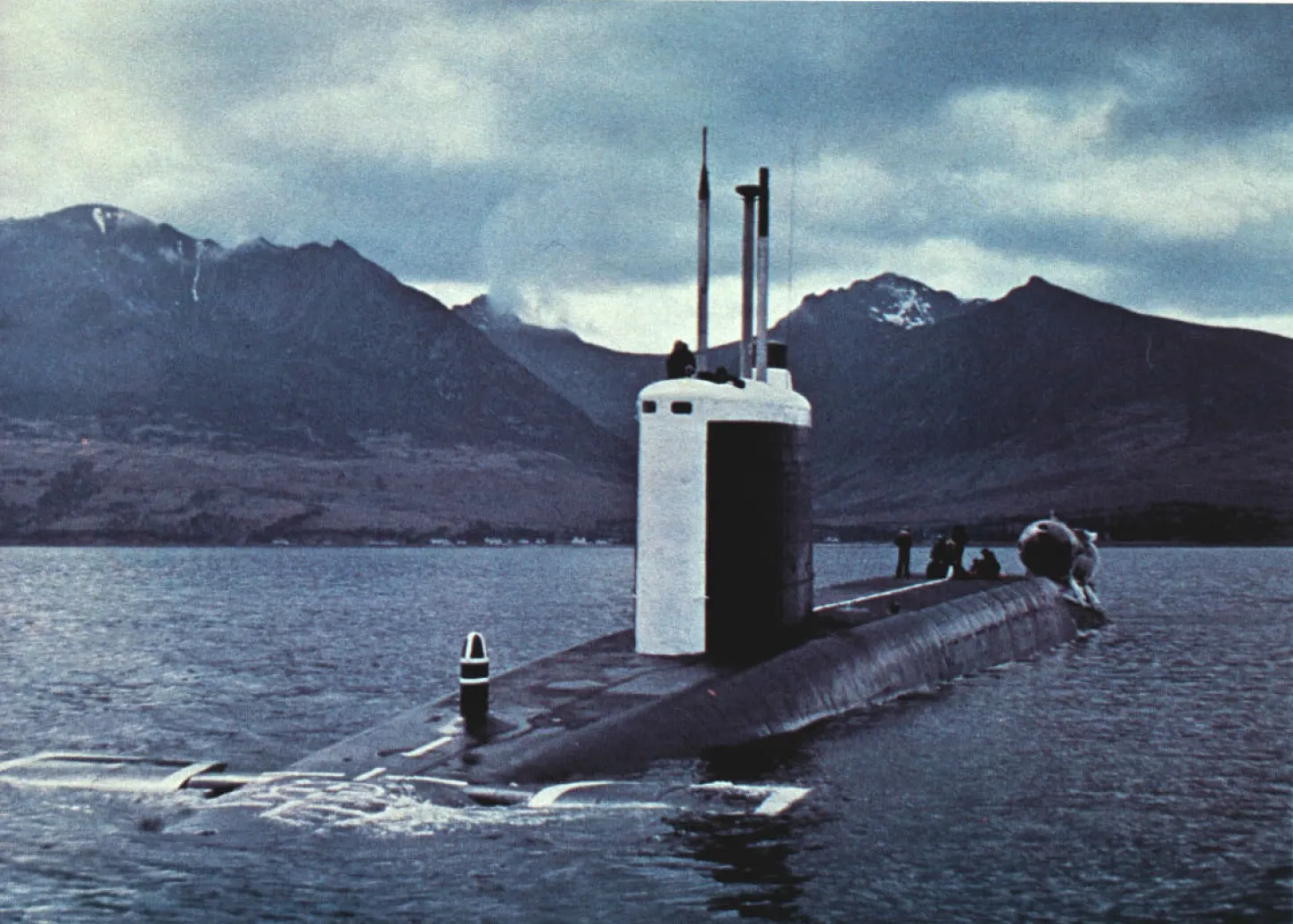
A Resolution-class boat in the Firth of Clyde – submarines of this kind lay at Faslane, where the film shot its Ranger scenesPhoto: U.S. Navy · Public domain · Wikimedia Commons Royal Navy HMS Ranger, U-Boot der Resolution-Klasse
BoatThe British nuclear submarine whose disappearance without trace sets the film in motion
The Ranger is invented, her surroundings are not: for the filming the Royal Navy opened its base at Faslane on the Gare Loch, where the four boats of the Resolution class then lay – Resolution, Repulse, Renown and Revenge. From 1968 to 1996 they carried the British nuclear deterrent, each with sixteen Polaris A3 missiles and two crews that alternated on patrol. In the film the Ranger is found at depth by Stromberg's tracking system, swallowed by the tanker Liparus and her crew locked up in its belly; her missiles are later to be fired at Moscow.
- Driven by
- A Royal Navy crew
- Specs
- 130 m long, 8,400 tons submerged, Rolls-Royce pressurised water reactor, 25 knots submerged, crew of 143, 16 Polaris A3 missiles
Sources: Wikipedia (en): Resolution-class submarine · Wikipedia (en): HMNB Clyde · Wikipedia (en): The Spy Who Loved Me (film)
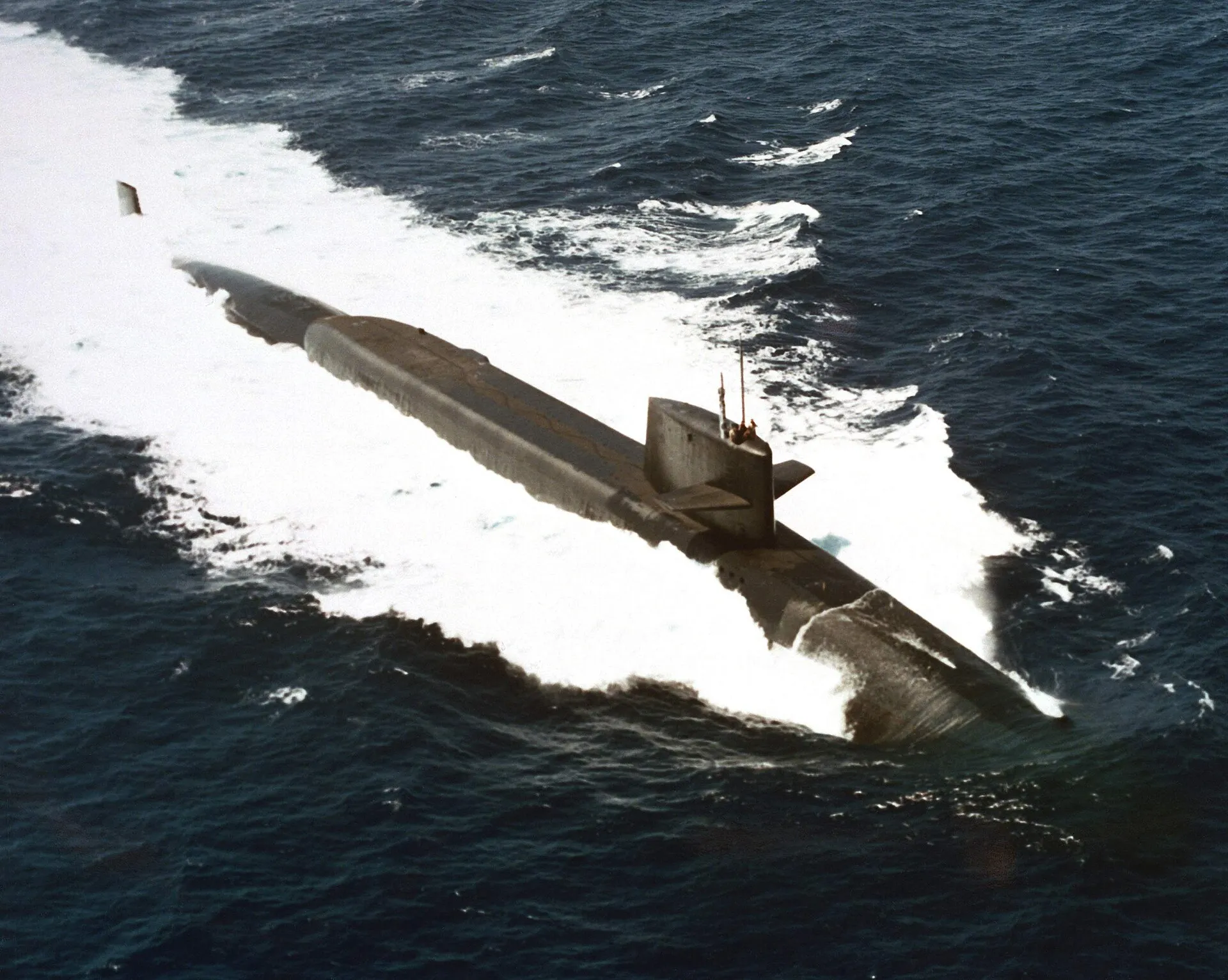
A Benjamin Franklin-class boat, the type that stands for the USS Wayne in the filmPhoto: Official U.S. Navy Photograph # DN-SC-85-11073, from the Department of Defense Still Media Collection · Public domain · Wikimedia Commons US Navy USS Wayne, U-Boot der Benjamin-Franklin-Klasse
BoatThe American submarine Bond and Amasova put to sea on – which then sails straight into the jaws of the Liparus
Commander Carter runs the tanker's presumed course with Bond and Amasova aboard. The tracking system finds this boat too: the Liparus opens her bow and swallows her like the other two. In the tanker's belly Bond frees the three crews and, out of the battle, has the captured boats fire their missiles at each other instead of at Moscow and New York. The Benjamin Franklin class was the last and quietest iteration of the American Polaris submarines: twelve boats were launched between 1963 and 1967, six of them later converted to carry Trident missiles.
- Driven by
- Commander Carter and his crew
- Specs
- 130 m long, about 8,250 tons submerged, pressurised water reactor, 21 knots submerged, 16 missiles (Polaris A3, later Poseidon C3)
Sources: Wikipedia (en): Benjamin Franklin-class submarine · Wikipedia (en): The Spy Who Loved Me (film)
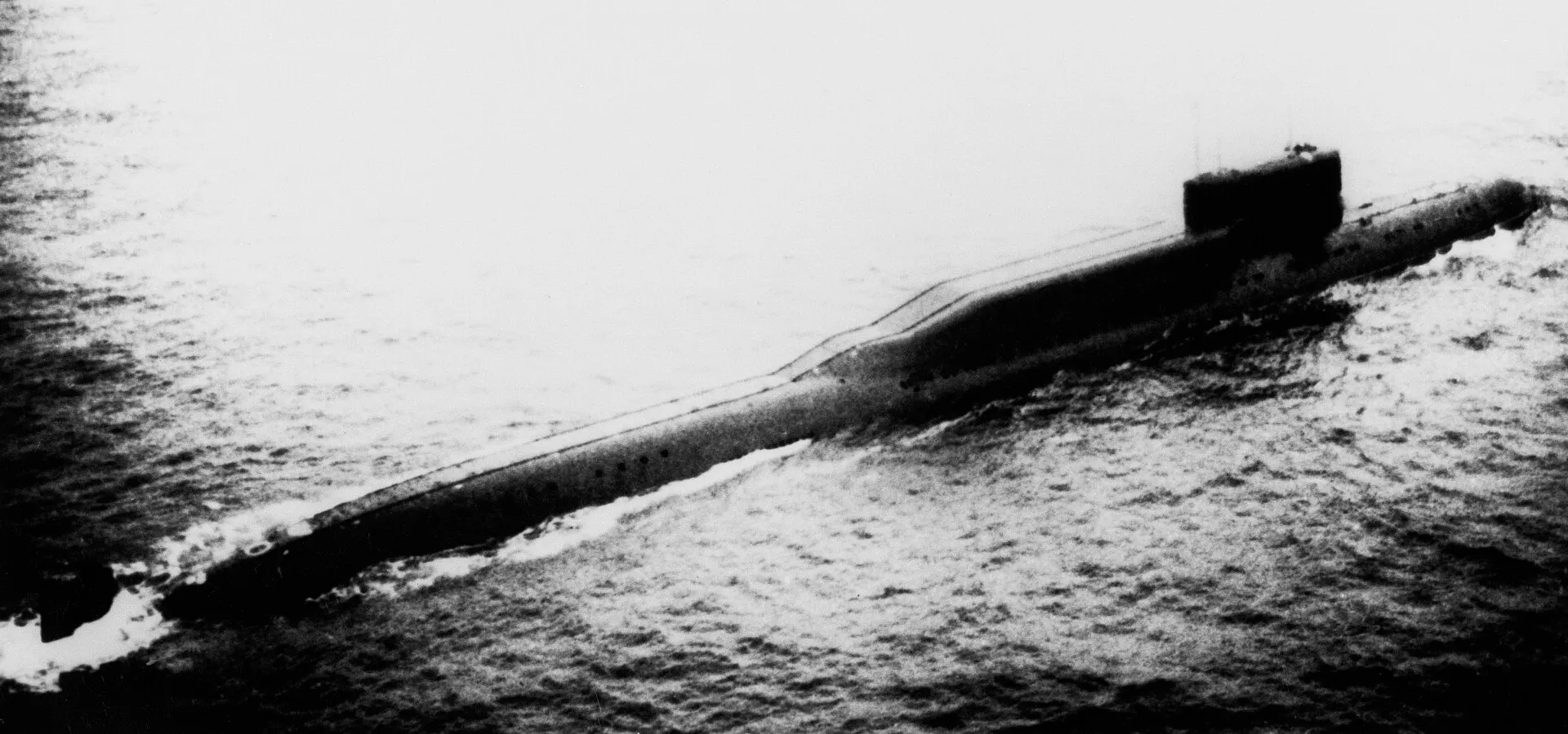
A Soviet Delta-class boat – the type that stood for the vanished Potemkin at the time of filmingPhoto: unbekannt · Public domain · Wikimedia Commons Sowjetische Seekriegsflotte Potemkin, Raketen-U-Boot
BoatThe vanished Soviet boat that makes General Gogol send out his best agent
The disappearance of the Potemkin puts Moscow in the same position as London and is why Major Amasova travels to Egypt. In the end the boat lies alongside the Ranger and the Wayne in the belly of the Liparus; under Stromberg's plan her missiles are to hit New York while the British ones aim at Moscow. She is seen only in miniature shots. The Soviet missile carriers of those years were the boats of Project 667B, known in the West as the Delta class: in service from 1972, 139 metres long and armed with twelve R-29 missiles whose range of 7,700 kilometres allowed patrols in the sheltered Arctic Ocean.
- Driven by
- A Soviet crew
- Specs
- Delta class (Project 667B): 139 m long, 10,000 tons submerged, 25 knots submerged, 12 R-29 missiles
Sources: Wikipedia (en): Delta-class submarine · Wikipedia (en): The Spy Who Loved Me (film)
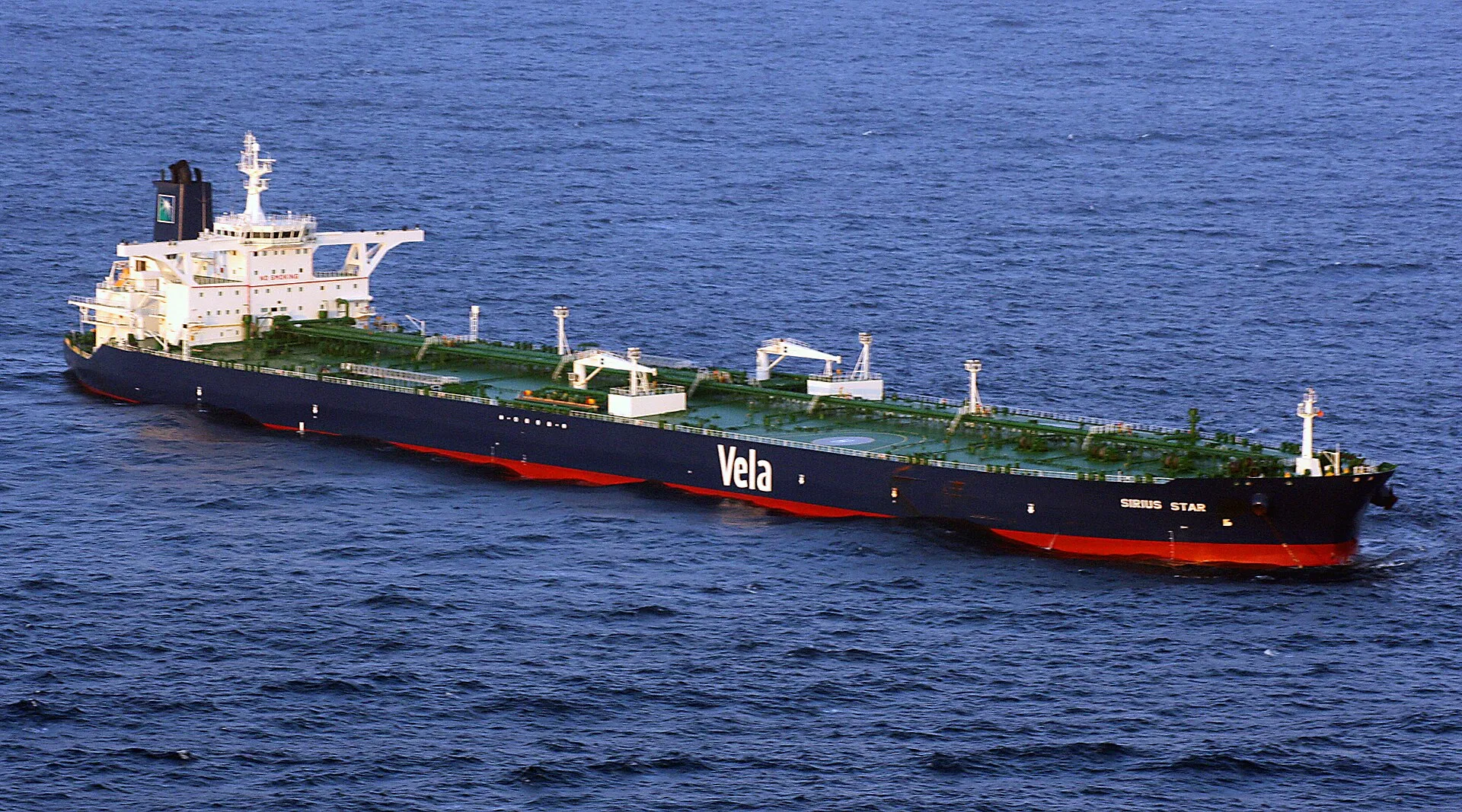
A VLCC supertanker: some 330 metres long and 318,000 tons deadweight – the order of magnitude the Liparus is conceived inPhoto: U.S. Navy photo by Aviation Warfare Systems Operator 2nd Class William S. Stevens · Public domain · Wikimedia Commons Stromberg Shipping Liparus, Supertanker
BoatThe tanker that swallows submarines like a whale; behind the hinged bow lies a dock with three berths
The Liparus sails under Stromberg's flag and has not entered a port since she was commissioned; she is supplied at sea. Behind the hinged bow lies a dry dock with three berths, along with workshops, crew quarters and a control room. No studio in the world was big enough for the interior, so the 007 Stage was built at Pinewood specially, with a water tank in which the submarine sets floated. Ken Adam designed the whole thing and was nominated for an Academy Award for it together with Peter Lamont and Hugh Scaife. The exteriors were done with a catamaran miniature about 19 metres long by Derek Meddings, which genuinely swallowed submarine models of the same scale off Nassau. Accounts of the ship's size differ: 600,000 and over a million tons are both quoted.
- Driven by
- A captain and crew in Stromberg's service
Sources: BMT 216A: Tanker Liparus · Model Ships in the Cinema: The Spy Who Loved Me (1977) · Wikipedia (en): 007 Stage · Wikipedia (en): The Spy Who Loved Me (film)
Karl Stromberg Atlantis, Unterwasseranlage
OtherHome and laboratory on four legs off Sardinia, which sinks into the sea at the touch of a button
Atlantis stands on four legs in the sea and draws its round living section under water to submerge. Inside, Stromberg receives his guests in a salon with large portholes behind which the sharks circle, and drops a disloyal secretary through a trapdoor into the tank. Ken Adam deliberately designed the structure against the straight lines of his earlier Bond sets, working with domes and curves; the effects were handled by Derek Meddings with a model about two and a half metres tall – so large that a quarter-scale model of the Lotus had to be built for the underwater run. The underwater photography was done off Nassau in October 1976. In the finale a torpedo from the USS Wayne tears the structure apart.
- Driven by
- Karl Stromberg
Sources: Wikipedia (en): Ken Adam · Model Ships in the Cinema: The Spy Who Loved Me (1977) · huntingbond.com: All movie locations from James Bond „The Spy Who Loved Me“
Nachtzug von Ägypten nach Sardinien
OtherThe sleeping car in which Jaws attacks the pair and finally goes out of the window
How the train gets from Egypt to the Sardinian port of Palau is left open by the film; no such connection exists. The sequence was shot entirely at Pinewood Studios. In the compartment Jaws blocks the pair's way; Bond smashes a standard lamp and presses the live ends against his steel teeth until he topples out of the window. For the fall Bob Simmons doubled the two-metre Richard Kiel although he was a good deal shorter himself, and went through real window glass rather than the usual sugar glass. Jaws grabbing Bond's face beforehand was Kiel's own idea.
- Driven by
- Bond and Amasova as passengers
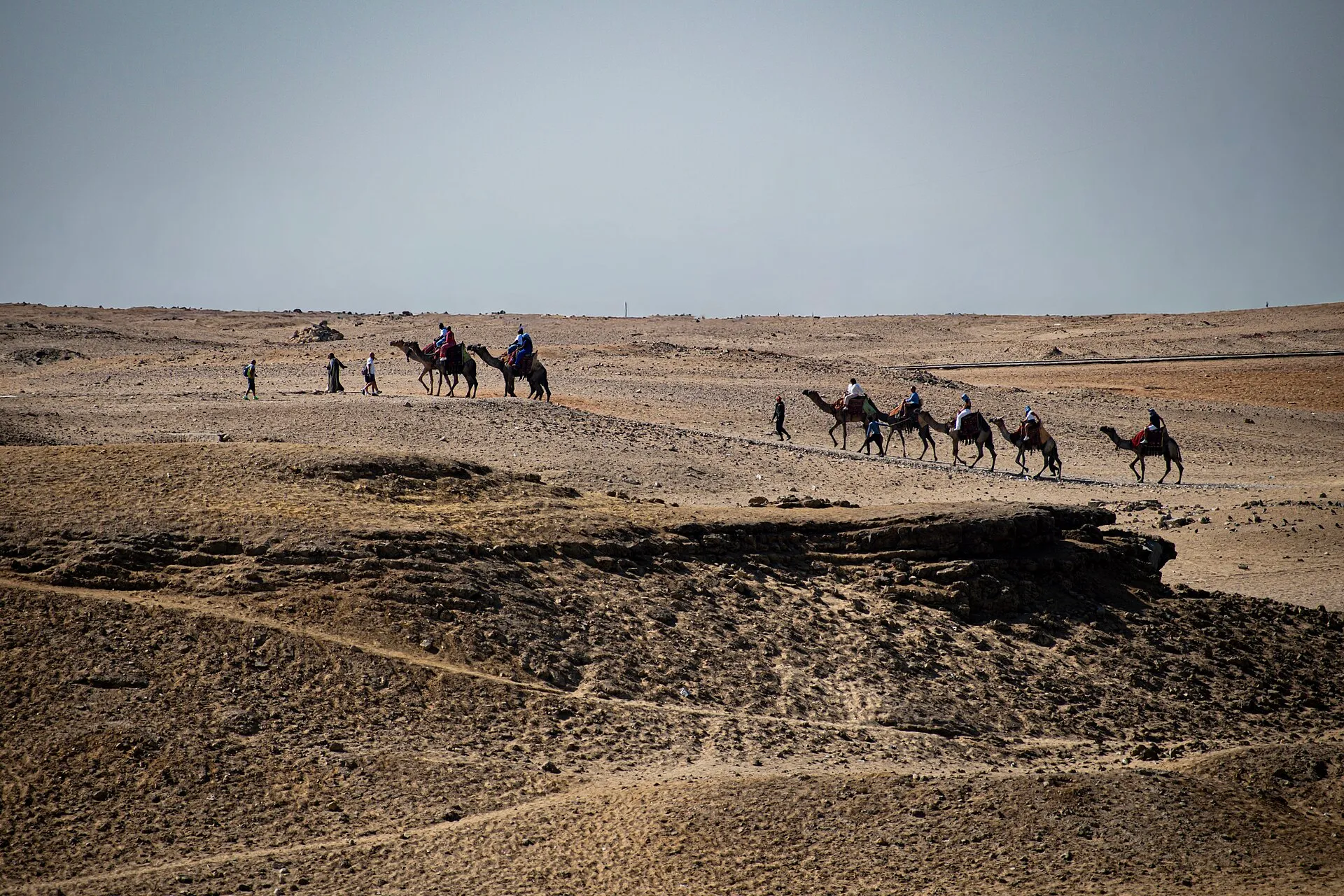
A camel train in the desert near Giza – Bond rides an animal like these to the sheikh's tented campPhoto: Safaaelghobashey · CC BY-SA 4.0 · Wikimedia Commons Dromedar Reitkamel in der ägyptischen Wüste
OtherBond rides a camel through the dunes to Sheikh Hosein's tented camp
Bond's Egyptian leg begins on camelback: he rides through the dunes to the tent of his old Cambridge contemporary Sheikh Hosein, who gives him the name of the middleman Fekkesh. The desert scene was filmed at Saqqara south of Cairo. The animal comes up a second time when Q demonstrates a camel saddle with a hidden blade behind the colossi of Abu Simbel. The single-humped dromedary has been the pack and riding animal of North Africa and Arabia for millennia: it carries heavy loads, keeps up long daily stages and goes for days without water.
- Driven by
- James Bond
Sources: bondmovies.com: The Spy Who Loved Me – Cars & Gadgets · Filming Locations for The Spy Who Loved Me (1977) – movie-locations.com
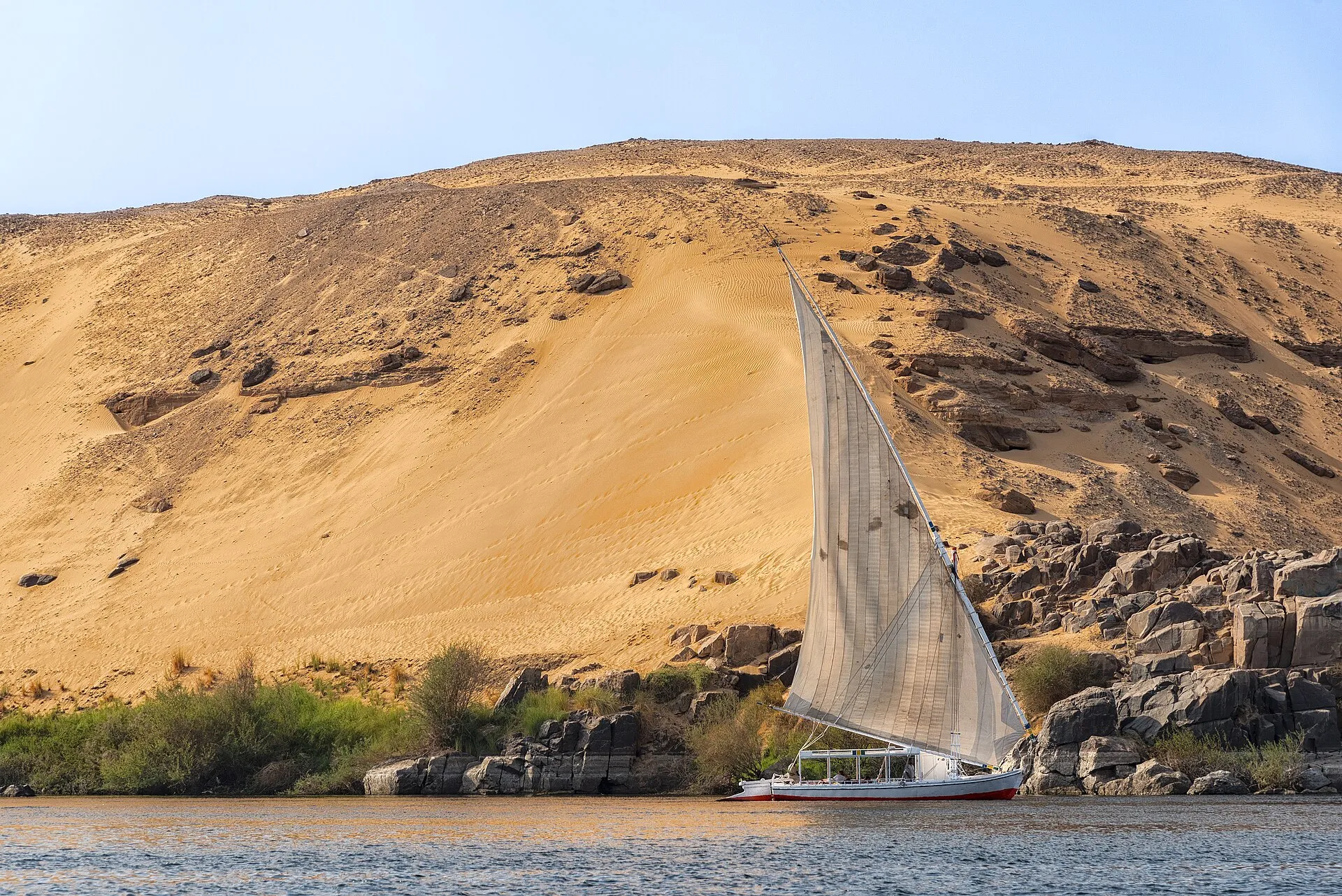
A felucca on the Nile near Aswan – Bond and Amasova travel down the river in a boat like thisPhoto: Mustang Joe · CC0 · Wikimedia Commons Feluke Segelboot auf dem Nil
BoatThe lateen-rigged boat that takes the pair down the Nile to the rendezvous after the breakdown in the desert
Once the van has given up in the desert, Bond and Amasova continue on foot and finally by water: a felucca takes them down the Nile to the agreed meeting point. The boarding was filmed on a bank of the Nile near Luxor. Feluccas are the traditional sailing boats of the river, shallow-built and without a continuous keel, carrying a single triangular lateen sail on a long, steeply raked yard. Downstream they drift with the current; upstream they sail on the steady northerly wind.
- Driven by
- An Egyptian boatman, with Bond and Amasova aboard
Sources: huntingbond.com: All movie locations from James Bond „The Spy Who Loved Me“ · Filming Locations for The Spy Who Loved Me (1977) – movie-locations.com

.jpg)


_right_National_Motor_Museum,_Beaulieu.jpg)

_in_the_Firth_of_Clyde_c1979.jpg)


.jpg)
Gadgets
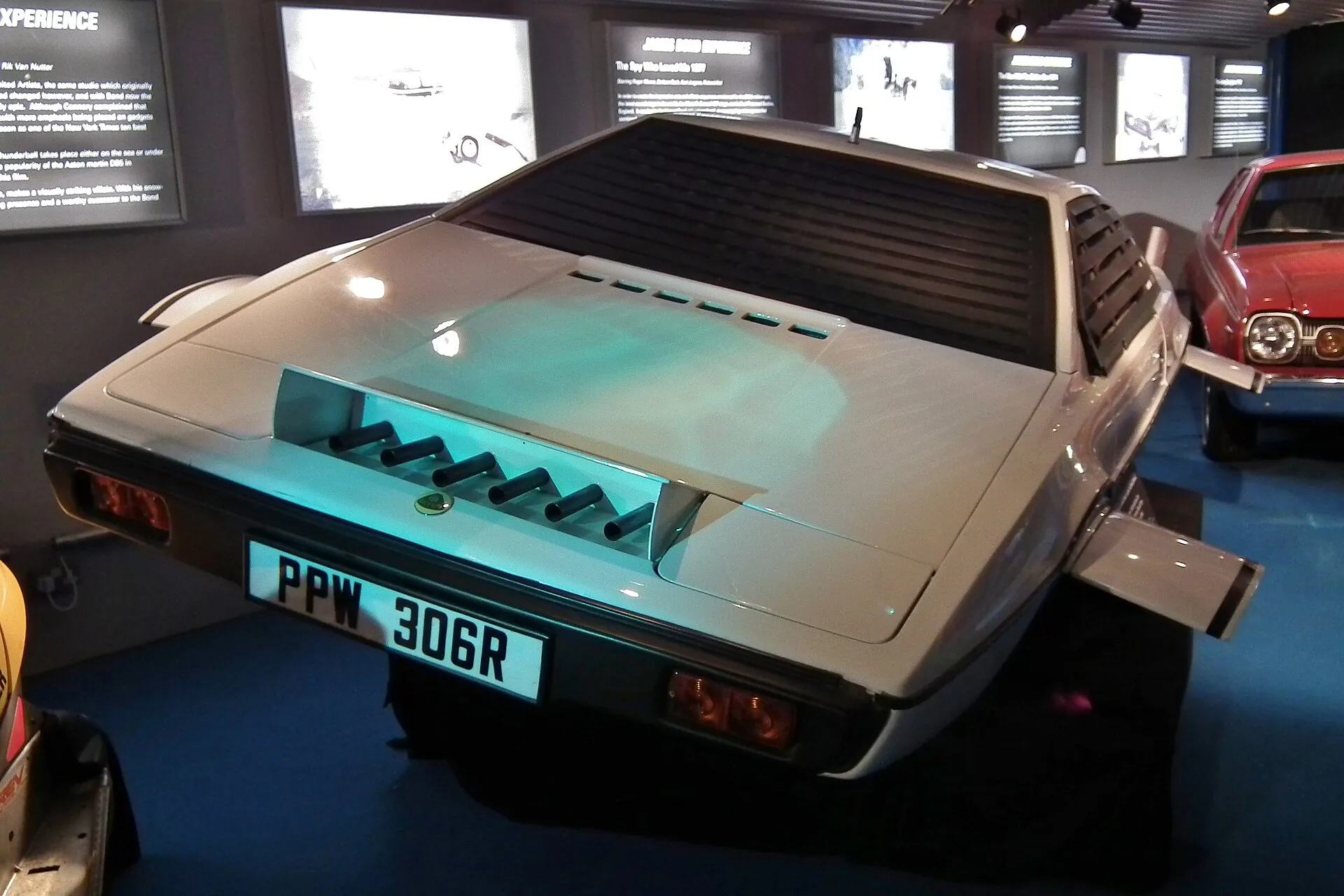
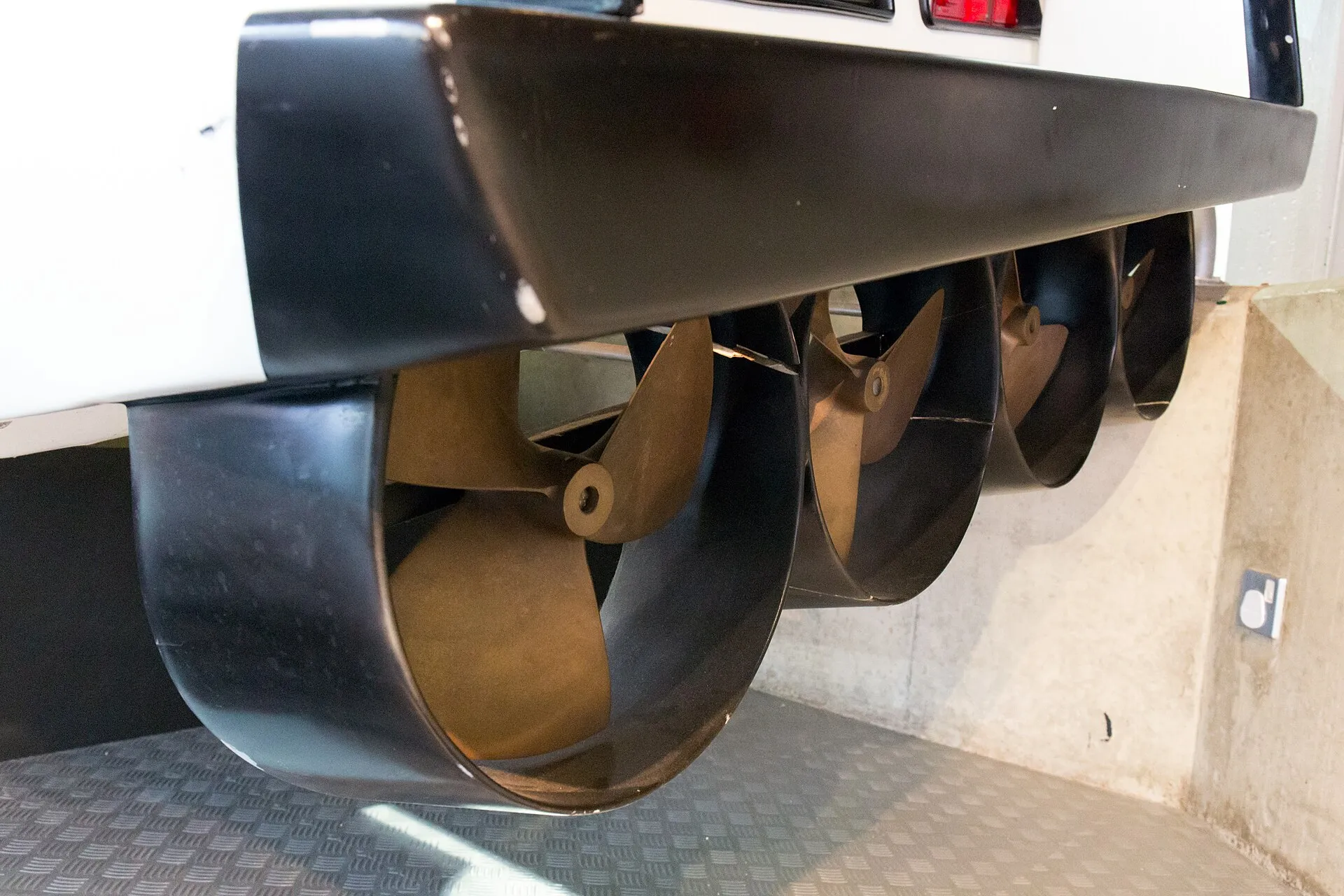
Instead of wheels, "Wet Nellie" carries fins and rudders; the four propellers sit behind the tail panelPhoto: sv1ambo · CC BY 2.0 · Wikimedia Commons Lotus Esprit "Wet Nellie"
The white sports car shoots off the jetty into the sea, retracts its wheels, extends fins and turns into a submarine: torpedoes from the tail, a sea mine, a cement nozzle behind the number plate and a surface-to-air missile that brings down Naomi's helicopter. The diveable example was built by Perry Submarines in Florida; four battery-powered motors drove it at up to ten knots, with a diver inside at the controls. Compressed-air rockets provided the leap into the water and a marine screw the drive up the beach. Seven models together portrayed the transformation. In October 2013 the underwater car came up for auction in London and went to Elon Musk for £616,000 including premium.
Sources: Bond Lifestyle: Lotus Esprit · Wikipedia (en): The Spy Who Loved Me (film)
Ski pole gun
In the pre-title sequence Bond fires from a ski pole in mid-descent and kills the Soviet agent Sergei Barsov – the lover of the very woman he will shortly have to work with. The grip of the Rossignol pole holds a concealed trigger and a magazine for four .30 calibre rounds. The ski scenes were shot in January 1977 at St. Moritz and in the Bernina range, with Willy Bogner following the performers on skis with a hand-held camera.
Sources: 007.com: Focus of the Week – The Spy Who Loved Me Ski Chase · The Legend of Q: Ski Pole Gun · Bogner: Bogner, Bond and Bobsleds
Union Jack parachute
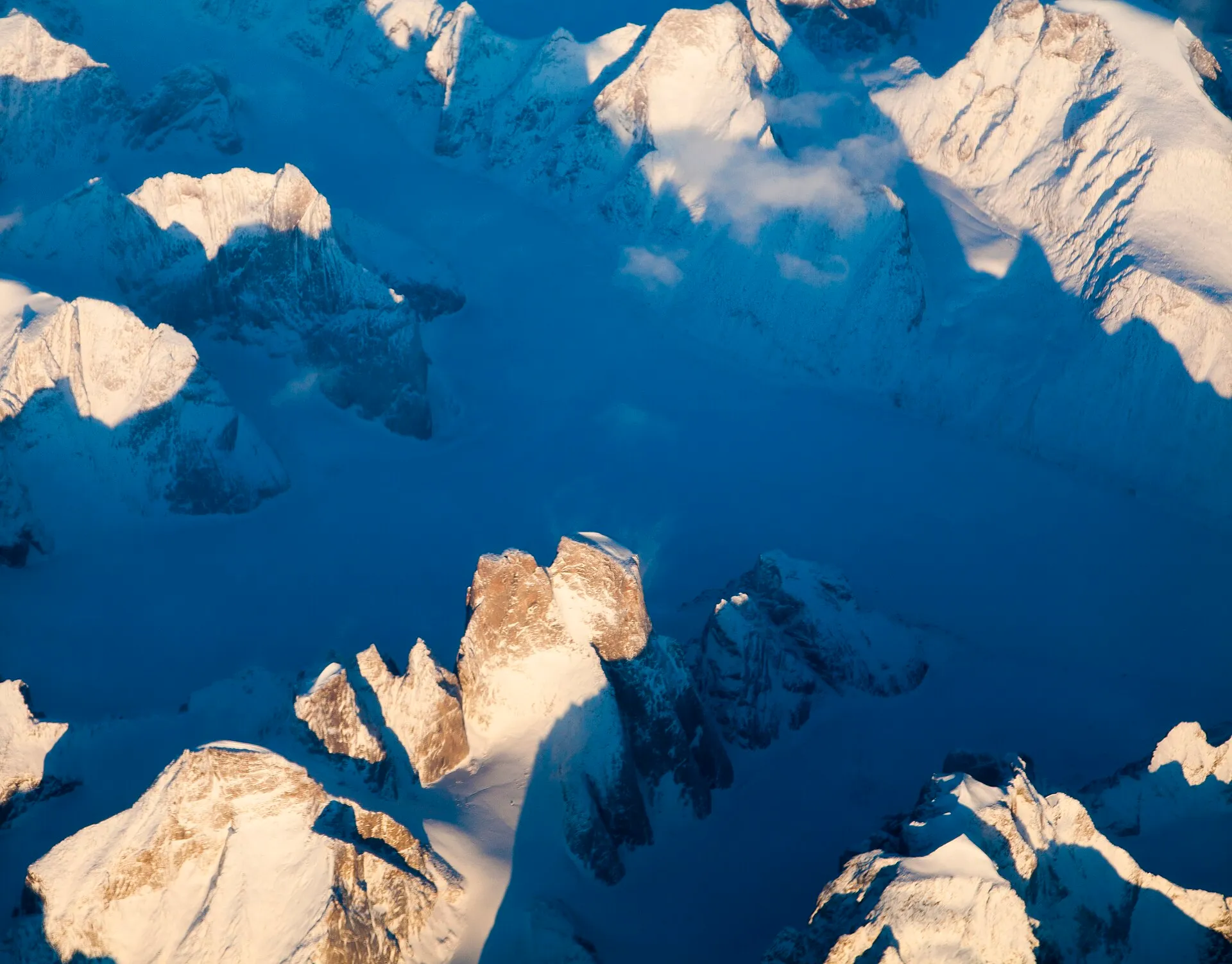
After the leap off the cliff edge a parachute unfurls in the pattern of the British flag – the image on which the film cuts to its title sequence. Rick Sylvester skied off the edge of Mount Asgard on Baffin Island in July 1976; the sequence cost about half a million dollars, the most expensive single stunt of its day.
Sources: 007.com: Focus of the Week – The Spy Who Loved Me Ski Chase · Wikipedia (en): Mount Asgard
Seiko quartz watch with ticker tape
From the opening to the closing titles Bond wears a Seiko 0674 5009 Quartz LC that spits out short paper strips carrying London's orders; the first reads "007 TO REPORT HQ. IMMEDIATE M." and summons him out of the log cabin. The watch reappears in the train compartment, aboard the Liparus and just before the final encounter with Jaws inside Atlantis. The strips were made from the hard embossing tape used by label makers. Seiko is credited in the end titles as a partner of the production.
Sources: Bond Lifestyle: Seiko 0674 5009 Quartz LC · Bond Lifestyle: The Spy Who Loved Me
Cigarette case and lighter as a microfilm viewer
Case and lighter combine into a reader with a fold-out viewer that shows the captured microfilm enlarged: the plans of the submarine tracking system and the drawing of a tanker that points to Stromberg. Travelling through Egypt, Bond studies the film with it in secret while Amasova sits a few feet away.
Sources: The Legend of Q: Microfilm Reader · bondmovies.com: The Spy Who Loved Me – Cars & Gadgets
Amasova's knockout-gas cigarette
The KGB agent has kit of her own: an innocuous-looking cigarette puffs out a gas that puts Bond out of action for hours – long enough for her to disappear with the microfilm.
Sources: bondmovies.com: The Spy Who Loved Me – Cars & Gadgets
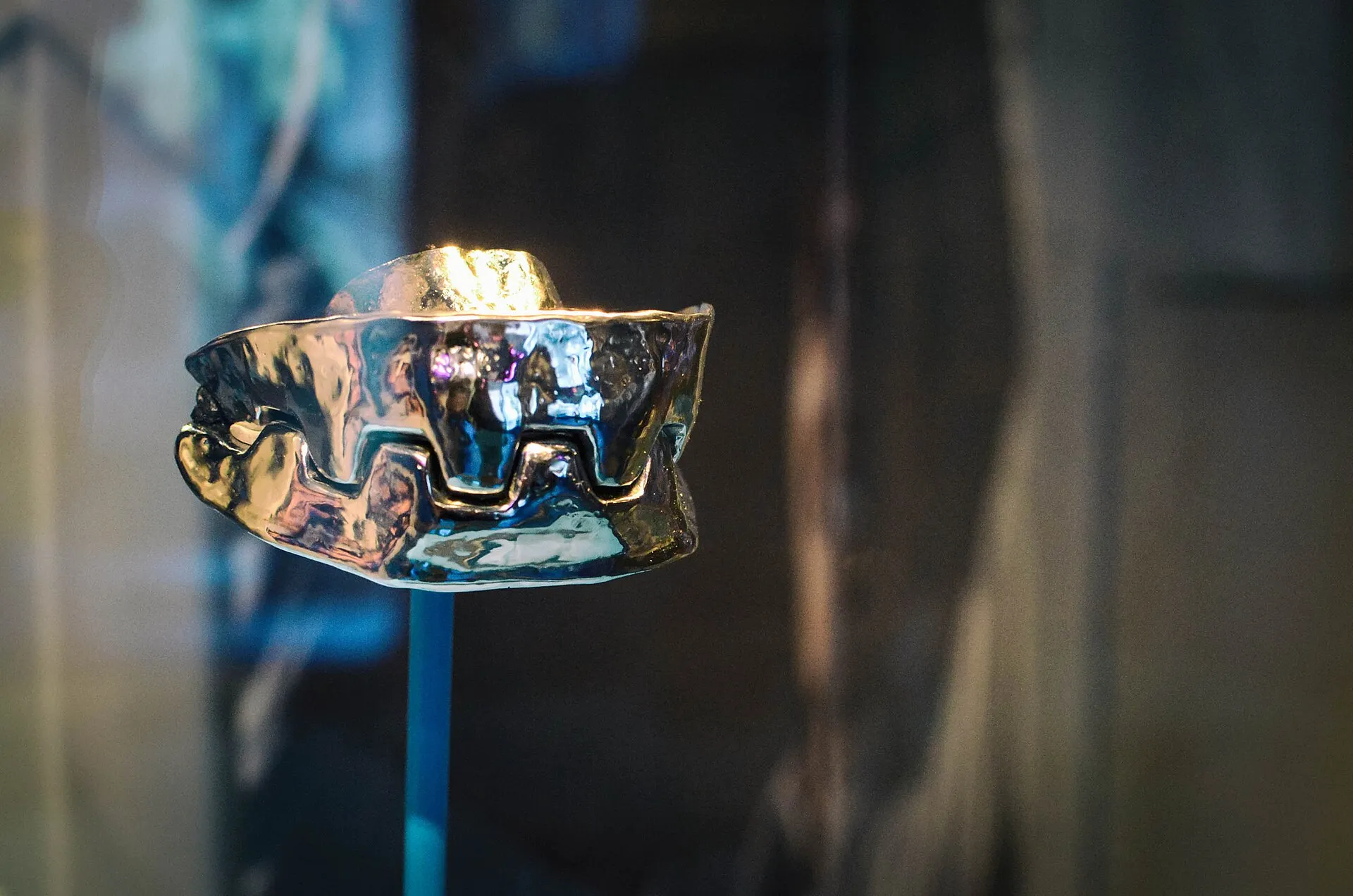
The teeth Richard Kiel wore as Jaws, on show at the International Spy Museum in WashingtonPhoto: Shaun Versey · CC BY-SA 2.0 · Wikimedia Commons Jaws's steel teeth
The henchman's metal dentures bite through chains, cables and carotid arteries; in the end they even see him through against a tiger shark. They were made by the dental technician Peter Thomas from near Pinewood Studios and designed by Katharina Kubrick, who deliberately shaped the teeth as blunt cogs rather than points so that Richard Kiel would not injure himself. Comfortable they were not: Kiel could keep them in for barely a minute at a time, after which they went into a cotton-lined box and were rinsed with mouthwash.
Sources: Wikipedia (en): Jaws (James Bond)
Q's toys at Abu Simbel
In the makeshift workshop among the ruins Q shows off what his laboratory is currently working on: a tray whose rim doubles as a throwing blade, a hookah with a gun barrel inside, an ottoman with an ejector seat, explosive bolas and a camel saddle with a hidden blade, of which Bond drily remarks that it would bring tears to the rider's eyes.
Sources: bondmovies.com: The Spy Who Loved Me – Cars & Gadgets
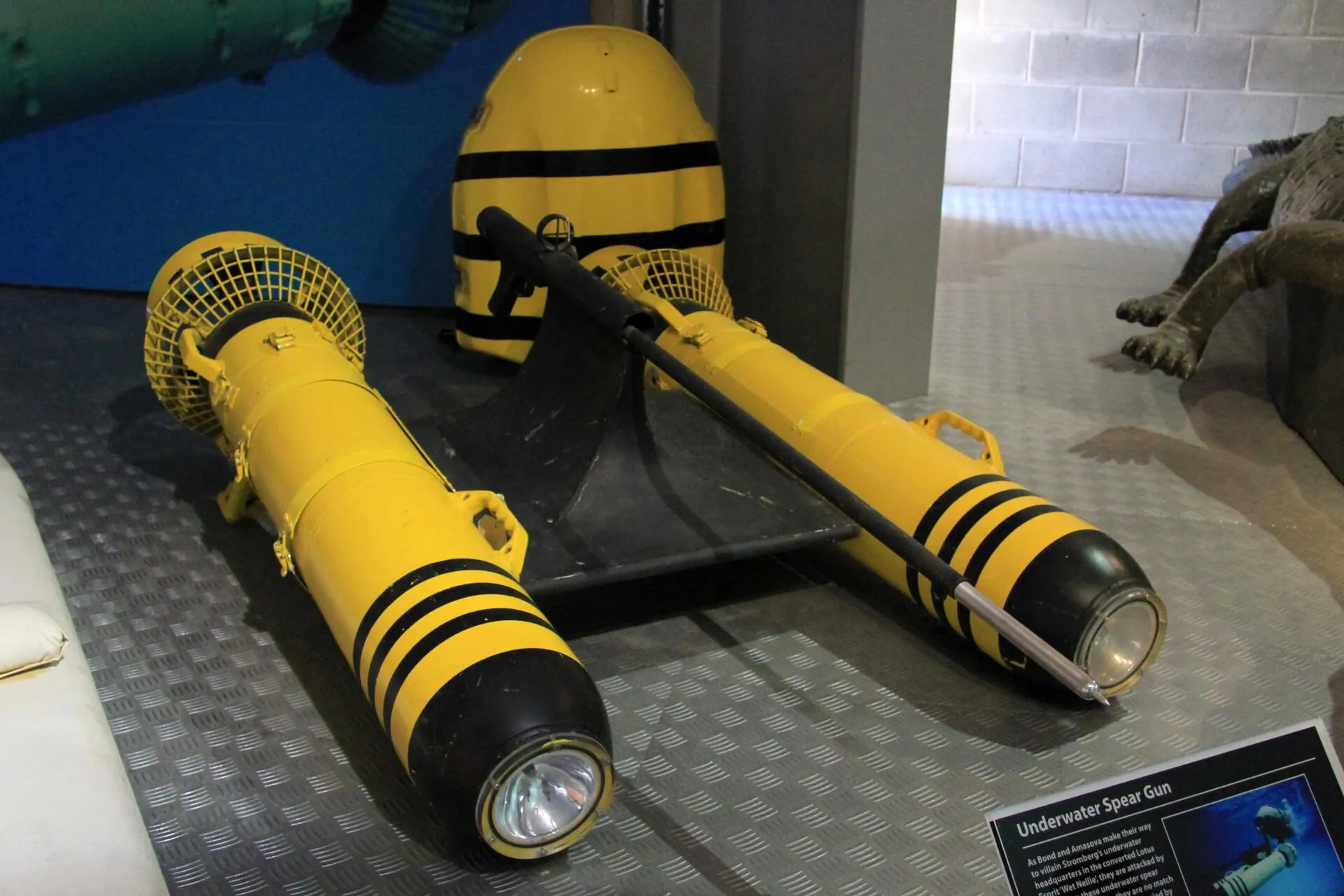
The props with which Stromberg's frogmen attack the submerged Lotus in the filmPhoto: Karen Roe from Bury St Edmunds, Suffolk, UK · CC BY 2.0 · Wikimedia Commons Underwater craft of Stromberg's divers
As soon as the Lotus has submerged, Stromberg's frogmen come out of Atlantis. They carry yellow-and-black striped devices combining a lamp, a propeller behind a guard and a harpoon in a tube, and use them to shoot at the car under water. Bond answers with torpedoes from the tail and a sea mine.
Sources: bondmovies.com: The Spy Who Loved Me – Cars & Gadgets
Atlantis escape module
When a torpedo from the USS Wayne tears the structure apart, an escape module carries Bond and Amasova out of the sinking building. It surfaces in the open sea and is hoisted aboard a British warship; through the porthole M, General Gogol and the Minister of Defence see what has become of the pair's collaboration. The scene was shot off the coast of Malta.
Sources: huntingbond.com: All movie locations from James Bond „The Spy Who Loved Me“
.jpg)
.jpg)
_National_Motor_Museum,_Beaulieu.jpg)
Production and trivia
- Filming ran from 31 August 1976 into January 1977 across seven countries. A production budget of $13.5 million plus another $7.5 million for advertising and prints turned into $185.4 million worldwide – United Artists' highest-grossing film to that date.
- Harry Saltzman had to give up his half of the Bond rights in 1975 for £20 million after other ventures and personal tragedies had grown into a financial crisis. He sold to United Artists, and this is the first film Albert R. Broccoli produced on his own.
- Guy Hamilton was set to direct again but left for Superman in November 1975. Steven Spielberg offered his services after Jaws and was turned down; in December Broccoli brought back Lewis Gilbert, who had already directed You Only Live Twice.
- Ian Fleming had released only the title of his novel, not the plot. Broccoli hired Stirling Silliphant, John Landis, Anthony Burgess, Derek Marlowe, Cary Bates and Ronald Hardy in turn; Burgess had Bond foil an attempt on the Queen's life at Sydney Opera House, Landis had him rescue the Pope. It took Richard Maibaum and Christopher Wood to finish the script, with uncredited rewrites by Tom Mankiewicz and Vernon Harris.
- Because Kevin McClory obtained an injunction and was awarded sole rights to SPECTRE and Blofeld in June 1976, both had to disappear from the script entirely. Stromberg was reinvented as a lone operator.
- The KGB's appearance on Bond's side goes back to a screening in the Soviet Union: Russian viewers liked the film but thought it too anti-Russian. Broccoli therefore wrote in characters like Gogol and Amasova, who are neither heroes nor villains.
- No studio in the world was big enough for the interior of Stromberg's tanker. From March 1976 the 007 Stage went up at Pinewood at a cost of $1.8 million, roughly 114 by 49 metres with a tank holding some 5.5 million litres of water – at the time the largest film stage in the world. Former prime minister Harold Wilson opened it on 5 December 1976.
- Cinematographer Claude Renoir could not light the enormous stage because of his failing eyesight. By Ken Adam's account Stanley Kubrick came to Pinewood in secret and advised the team on how to light the tanker set.
- Rick Sylvester made the leap off the cliff on Mount Asgard, Baffin Island, in July 1976 for a fee of $30,000; the sequence cost some $500,000, making it the most expensive single stunt of its day. The idea came from a whisky advertisement in Playboy in which Sylvester had done the same thing. Willy Bogner filmed the jump.
- The titles claim the chase takes place in "Berngarten, Austria". In fact the second unit shot the ski scenes in January 1977 at St. Moritz and in the Bernina range, where Willy Bogner followed on skis with a hand-held camera between the crevasses at minus 35 degrees. Two minutes of film took the team three weeks.
- Lotus smuggled itself into the film: PR man Don McLaughlan parked an Esprit prototype with its badges taped over outside the Eon office at Pinewood. Seven models later depicted the transformation, among them the diveable "Wet Nellie" with an engine by Perry Submarines; some of the air bubbles came from Alka-Seltzer tablets.
- The first footage of the Sardinian chase looked flat. When Lotus test driver Roger Becker moved the car between two locations the crew were so impressed that he took over the stunt driving for the rest of the shoot on the island.
- In Egypt the Sphinx could be filmed on location, but the pyramids could not be lit – they were replaced by miniatures. Shell offered a decommissioned tanker, but insurance and safety requirements were too costly: instead Derek Meddings built a 19-metre catamaran model that really did swallow the submarine models off Nassau.
- John Barry was barred from working in Britain for tax reasons, so Marvin Hamlisch wrote the score. "Nobody Does It Better", with lyrics by Carole Bayer Sager, was the first Bond title song with a title different from the film's. The film received three Academy Award nominations: art direction, original score and original song.
- The German version was made by Ultra-Film in Munich. Niels Clausnitzer again voiced Roger Moore, while Curd Jürgens dubbed himself. The film opened on 25 August 1977 with a certificate for twelve-year-olds and won the German film industry's Golden Screen.
Images



.jpg)







_propellers_National_Motor_Museum,_Beaulieu.jpg)
Sources
- The Spy Who Loved Me (film) – Wikipedia (en)(en)accessed 7 September 2026
- James Bond 007 – Der Spion, der mich liebte – Wikipedia (de)(de)accessed 7 September 2026
- List of James Bond film locations – Wikipedia (en)(en)accessed 7 September 2026
- Filming Locations for The Spy Who Loved Me (1977) – movie-locations.com(en)accessed 7 September 2026
- All movie locations from James Bond „The Spy Who Loved Me“ – huntingbond.com(en)accessed 7 September 2026
- The Spy Who Loved Me – 007.com(en)accessed 7 September 2026
- Focus of the Week: The Spy Who Loved Me Ski Chase – 007.com(en)accessed 7 September 2026
- Bogner, Bond and Bobsleds – bogner.com(en)accessed 7 September 2026
- Behind the Scenes of The Spy Who Loved Me – Plus Pinewood's 007 Stage – American Cinematographer(en)accessed 7 September 2026
- 007 Stage – Wikipedia (en)(en)accessed 7 September 2026
- Nobody Does It Better – Wikipedia (en)(en)accessed 7 September 2026
- Lotus Esprit – Bond Lifestyle(en)accessed 7 September 2026
- IMCDb.org: 1976 Ford Taunus Ghia [TC2] in „The Spy Who Loved Me, 1977“(en)accessed 7 September 2026
- The Spy Who Loved Me – Screen Malta(en)accessed 7 September 2026
- Mount Asgard – Wikipedia (en)(en)accessed 7 September 2026
- HMNB Clyde – Wikipedia (en)(en)accessed 7 September 2026
- Abu Simbel temples – Wikipedia (en)(en)accessed 7 September 2026
- Karnak – Wikipedia (en)(en)accessed 7 September 2026
- Gayer-Anderson Museum – Wikipedia (en)(en)accessed 7 September 2026
- Costa Smeralda – Wikipedia (en)(en)accessed 7 September 2026
- Der Spion, der mich liebte – Deutsche Synchronkartei(de)accessed 7 September 2026
- The Spy Who Loved Me – Box Office Mojo(en)accessed 7 September 2026